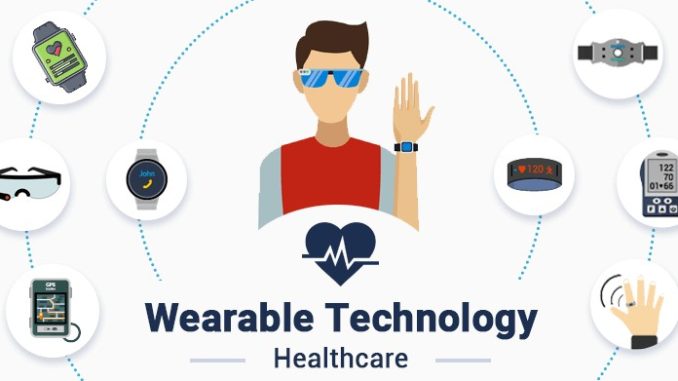
The future of wearable health technology is unfolding rapidly, reshaping how individuals engage with their well-being and how businesses approach health innovation. What began as simple step counters and heart rate monitors has evolved into a sophisticated ecosystem of devices capable of tracking sleep patterns, detecting arrhythmias, monitoring glucose levels, and even predicting potential health risks. These tools are no longer just accessories—they’re becoming integral components of personal healthcare strategies and corporate wellness programs. As the technology matures, its potential to transform preventive care, chronic disease management, and data-driven decision-making is becoming increasingly clear.
One of the most compelling aspects of wearable health technology is its ability to shift healthcare from reactive to proactive. Traditionally, medical intervention has relied on symptoms prompting a visit to a clinic or hospital. Wearables invert that model by continuously collecting data and alerting users to subtle changes that may indicate underlying issues. For example, a smartwatch equipped with an ECG sensor can detect irregular heart rhythms and prompt users to seek medical advice before a serious event occurs. This kind of early detection not only improves outcomes but also reduces the burden on healthcare systems. It empowers individuals to take ownership of their health and fosters a culture of awareness and prevention.
In the business world, the implications are equally significant. Employers are increasingly recognizing the value of integrating wearable technology into wellness initiatives. By offering employees access to devices that monitor activity, sleep, and stress levels, companies can encourage healthier habits and reduce absenteeism. The data collected—when handled responsibly—can inform personalized interventions, identify trends, and support mental health strategies. For instance, aggregated insights might reveal that a particular team is experiencing elevated stress during a product launch, prompting leadership to adjust workloads or provide additional support. This kind of responsiveness builds trust and demonstrates a commitment to employee well-being.
The evolution of wearables is also driving innovation in data analytics and artificial intelligence. As devices become more sophisticated, the volume and complexity of health data increase. Algorithms can now analyze patterns across millions of data points to identify correlations and predict outcomes. This capability is particularly valuable in chronic disease management. A diabetic patient using a continuous glucose monitor can receive real-time feedback and predictive alerts based on dietary intake, activity levels, and historical trends. These insights enable more precise adjustments and reduce the risk of complications. For healthcare providers, access to longitudinal data enhances diagnostic accuracy and supports more informed treatment plans.
Interoperability is emerging as a critical factor in the future of wearable health technology. As users adopt multiple devices—smartwatches, fitness bands, smart rings, and even sensor-embedded clothing—the ability to integrate data across platforms becomes essential. Seamless communication between devices and electronic health records allows for a more holistic view of an individual’s health. It also facilitates collaboration among healthcare professionals, enabling coordinated care and reducing duplication. For developers and manufacturers, this means prioritizing open standards and user-centric design. The goal is not just to create powerful tools but to ensure they work together in meaningful ways.
Privacy and security remain central concerns as wearables become more embedded in daily life. The sensitive nature of health data demands robust safeguards and transparent practices. Users must feel confident that their information is protected and used ethically. Regulatory frameworks are evolving to address these challenges, but businesses must go beyond compliance. Building trust requires clear communication, user control over data sharing, and a commitment to responsible innovation. As wearables become more personalized and predictive, the ethical considerations will grow more complex. Navigating this terrain thoughtfully will be essential for long-term success.
The integration of wearable technology into clinical settings is another frontier with transformative potential. Remote patient monitoring is already changing how care is delivered, especially for individuals with mobility challenges or those living in underserved areas. Physicians can track vital signs, medication adherence, and recovery progress without requiring in-person visits. This not only improves access but also enhances continuity of care. In emergency situations, wearables can provide first responders with critical information, improving response times and outcomes. As telemedicine continues to expand, wearables will play a pivotal role in bridging the gap between patients and providers.
Consumer expectations are also shaping the future of wearables. Users increasingly demand devices that are not only functional but also stylish, intuitive, and unobtrusive. The design of wearables is moving toward seamless integration with everyday life, from smart jewelry to biometric patches. This shift reflects a broader trend toward personalization and user empowerment. People want technology that adapts to their needs, supports their goals, and fits their lifestyle. Meeting these expectations requires collaboration across disciplines—engineering, design, behavioral science, and healthcare—to create solutions that are both effective and engaging.
Ultimately, the future of wearable health technology is about connection. It’s about connecting individuals to their bodies, patients to providers, and data to insight. It’s about creating systems that support health not just in moments of crisis but in the rhythms of daily life. For businesses, this means embracing innovation with purpose, investing in solutions that enhance well-being, and recognizing that health is a shared responsibility. As wearables continue to evolve, they will not only change how we monitor health—they will redefine how we experience it. And in doing so, they will help build a future where care is continuous, personalized, and profoundly human.