In an increasingly knowledge-driven global economy, the discourse surrounding access to higher education has intensified, bringing the concept of free college tuition to the forefront of policy debates across many nations, including in Europe and beyond. Proponents argue that making tertiary education universally accessible, without the burden of tuition fees, is not merely a social welfare initiative but a strategic economic imperative. The case for free college education rests on a multifaceted argument that encompasses economic growth, social mobility, workforce development, and the very health of democratic societies. It posits that the collective benefits far outweigh the perceived costs, creating a more prosperous, equitable, and innovative future for all.
One of the most compelling arguments for free college education revolves around its potential to **stimulate economic growth and enhance national competitiveness**. In an era where complex problem-solving, critical thinking, and specialized skills are highly prized, a more educated populace directly translates to a more productive workforce. When financial barriers to higher education are removed, a broader spectrum of individuals, including those from low-income backgrounds, are empowered to pursue degrees that equip them with the skills necessary for high-demand industries. This expands the pool of qualified talent, fostering innovation, entrepreneurship, and the development of new industries. Nations that invest heavily in accessible higher education often see a corresponding boost in research and development, leading to technological advancements and improved global economic standing. Consider countries like Germany or several Nordic nations, which have long prioritized affordable or free higher education and boast robust economies and highly skilled workforces. The initial investment in tuition-free models can yield substantial long-term dividends in terms of increased tax revenues from higher-earning graduates and reduced reliance on social welfare programs.
Beyond economic advantages, free college education is a powerful engine for **social mobility and reduced inequality**. The escalating cost of tuition has become a significant barrier for students from economically disadvantaged families, perpetuating cycles of poverty and limiting access to opportunities that could fundamentally alter their life trajectories. When education is decoupled from financial capacity, it opens doors for bright, motivated individuals regardless of their socioeconomic starting point. This not only benefits the individual by offering a pathway to a better quality of life and higher earning potential, but it also enriches society as a whole by ensuring that talent is not wasted due to financial constraints. By leveling the playing field, free college tuition can mitigate the widening gap between the rich and the poor, fostering a more equitable society where merit and effort, rather than wealth, determine access to educational advancement.
Furthermore, a tuition-free model can significantly address **workforce skill gaps and future-proof the labor market**. Industries are constantly evolving, demanding new and refined competencies. When higher education is accessible, institutions can more readily adapt their programs to meet emerging industry needs, confident that students will be able to enroll without financial hardship. This ensures a steady supply of trained professionals for critical sectors, from healthcare and engineering to advanced manufacturing and digital technologies. It also allows for greater flexibility in career changes and upskilling for adults already in the workforce, enabling individuals to adapt to technological shifts and remain competitive throughout their careers. For a nation, this translates into a more agile and resilient workforce, better equipped to navigate economic disruptions and seize new opportunities.
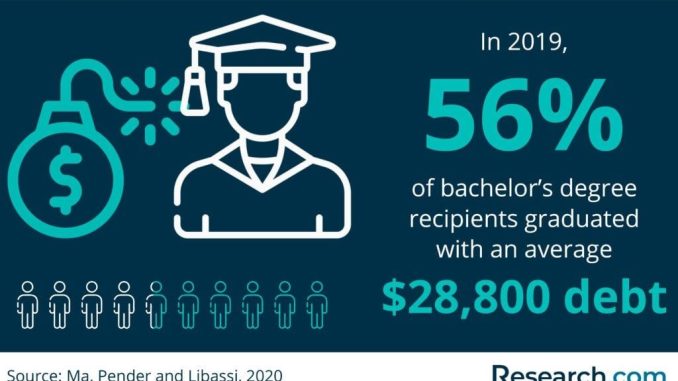
Critics often raise concerns about the financial feasibility of free college education, questioning how such a system would be funded. Proponents suggest various mechanisms, including increased taxation on corporations or high-income earners, reallocating existing government subsidies, or implementing a financial transaction tax. They argue that the long-term societal gains—such as reduced healthcare costs due to a healthier, more educated populace, lower crime rates, and decreased unemployment—would offset the upfront investment. Moreover, they point to the hidden costs of the current system, including the burden of student loan debt, which stifles consumer spending, homeownership, and entrepreneurial ventures, thus dragging down the economy. The argument is that the money currently funneled into loan interest payments could instead be invested directly into the educational system and the economy.
Finally, the case for free college education extends to its profound impact on **civic engagement and the health of democratic institutions**. A more educated citizenry is generally more informed, more critically engaged with political processes, and more likely to participate in community affairs. Higher education fosters critical thinking, encourages diverse perspectives, and promotes a deeper understanding of societal challenges. When more people have the opportunity to engage with these transformative experiences, it strengthens the intellectual and social fabric of a nation, leading to a more robust, informed, and participatory democracy. In this sense, free college education is not just an economic or social policy; it is an investment in the foundational pillars of a healthy society.
In conclusion, the proposition of free college education is a bold vision that addresses some of the most pressing challenges of our time. By dismantling financial barriers to higher learning, societies can unlock immense human potential, drive economic prosperity, reduce inequality, cultivate a highly skilled workforce, and strengthen the very foundations of democratic participation. While the implementation certainly presents complexities, the enduring benefits—a more educated, innovative, and equitable populace—make a compelling argument for its consideration as a transformative investment in the collective future.