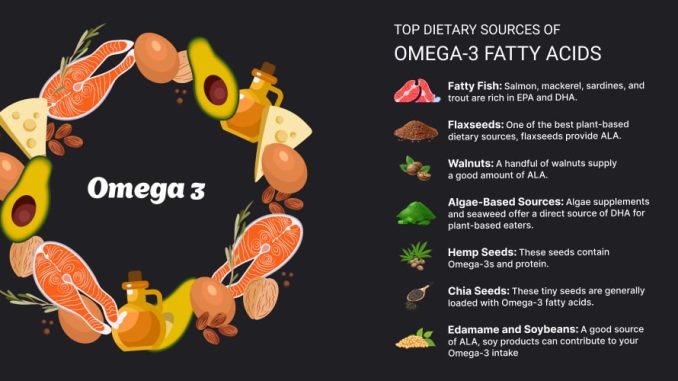
In the vast landscape of human nutrition, few nutrients have garnered as much scientific attention and public interest as omega-3 fatty acids. These remarkable compounds, often lauded as “healthy fats,” are far more than just a source of energy; they are fundamental building blocks for every cell in our bodies and play a critical role in a myriad of physiological processes. While the human body possesses an incredible capacity for synthesis, it cannot produce omega-3 fatty acids on its own, rendering them “essential” nutrients that must be acquired through diet. Understanding the profound benefits of incorporating these vital fats into our daily intake is crucial for anyone striving to optimize their health and mitigate the risk of chronic diseases.
The family of omega-3s primarily comprises three key types: alpha-linolenic acid (ALA), eicosapentaenoic acid (EPA), and docosahexaenoic acid (DHA). ALA is predominantly found in plant-based sources, such as flaxseeds, chia seeds, walnuts, and some plant oils like canola and soybean oil. While ALA is essential, its conversion into the more biologically active forms of EPA and DHA within the body is often limited. Therefore, obtaining EPA and DHA directly from dietary sources, primarily fatty fish and certain algae, is generally considered the most efficient way to reap their extensive health benefits. These marine-derived omega-3s are the true powerhouses, underpinning much of the research highlighting the profound impact of these fatty acids on human health.
Perhaps the most widely recognized benefit of omega-3 fatty acids lies in their remarkable impact on cardiovascular health. Decades of research have consistently demonstrated their ability to promote a healthy heart and protect against cardiovascular disease, which remains a leading cause of mortality worldwide. Omega-3s achieve this through multiple mechanisms. They are known to significantly reduce triglyceride levels, a type of fat in the blood that, when elevated, increases the risk of heart attack and stroke. Furthermore, these beneficial fats can help lower blood pressure, improve blood vessel function by promoting dilation and preventing clogging, and reduce the risk of developing irregular heartbeats (arrhythmias). They also play a role in slowing the buildup of plaque within arteries, a process known as atherosclerosis, which contributes to the hardening and narrowing of blood vessels. Regularly consuming fatty fish, such as salmon, mackerel, sardines, and herring, can therefore be a powerful dietary intervention in maintaining a robust and resilient cardiovascular system.
Beyond the heart, omega-3 fatty acids are indispensable for optimal brain function and mental well-being throughout the lifespan. DHA, in particular, is a major structural component of the brain and the retina of the eye. Adequate intake of DHA during pregnancy and early childhood is absolutely crucial for proper neurological development in infants, influencing cognitive development, communication skills, and even reducing the risk of developmental delays. For adults, research suggests a strong correlation between sufficient omega-3 levels and a reduced risk of neurodegenerative diseases such as Alzheimer’s and dementia. Furthermore, omega-3s, especially EPA, have been extensively studied for their potential role in supporting mental health. They are believed to help manage symptoms of depression and anxiety, influencing mood regulation and cognitive function. This is likely due to their anti-inflammatory properties and their role in cell membrane fluidity, which impacts neurotransmitter function.
The anti-inflammatory prowess of omega-3 fatty acids extends far beyond the brain and heart, making them valuable allies in combating chronic inflammation throughout the body. Chronic, low-grade inflammation is now recognized as a key driver behind numerous chronic diseases, including various forms of arthritis, inflammatory bowel disease, and even certain cancers. Omega-3s achieve their anti-inflammatory effects by influencing the production of signaling molecules that regulate the body’s inflammatory response, essentially helping to “turn down the volume” on excessive inflammation. For individuals suffering from conditions like rheumatoid arthritis, studies suggest that omega-3 supplementation can help reduce joint pain, stiffness, and reliance on anti-inflammatory medications, significantly improving their quality of life.
The benefits of omega-3s also extend to eye health, particularly in preventing age-related macular degeneration (AMD), a leading cause of vision loss among older adults. As DHA is a vital component of the retina, its adequate presence supports retinal integrity and function. Emerging research continues to explore the broader implications of omega-3s, investigating their potential roles in improving bone and joint health, reducing liver fat in non-alcoholic fatty liver disease, and even impacting metabolic syndrome.
In conclusion, the scientific evidence overwhelmingly supports the inclusion of omega-3 fatty acids in a healthy diet. They are not merely beneficial; they are essential for maintaining a vast array of bodily functions, from the intricate workings of the brain and heart to the fundamental processes of cellular health and inflammation control. While the primary and most effective source remains fatty fish, plant-based options provide valuable ALA, and supplements can bridge dietary gaps under professional guidance. Prioritizing omega-3 intake is a proactive and profound investment in long-term health, offering a natural and potent pathway to a more vibrant and resilient life.