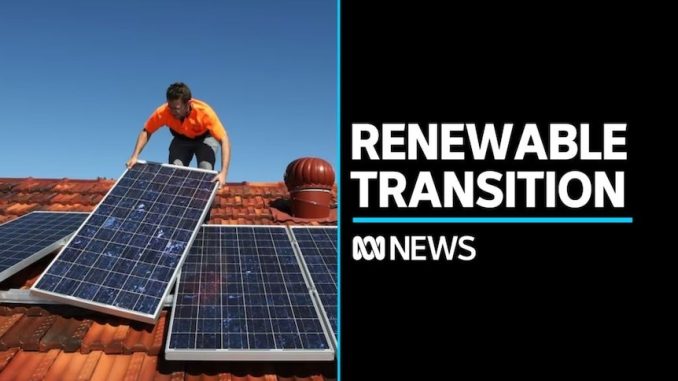
The transition to a global clean energy economy hinges significantly on the capabilities of solar technology. For years, the sun has been touted as the ultimate, inexhaustible power source, and rightfully so. Yet, as the urgency of the climate crisis intensifies, a critical question emerges: is solar technology evolving fast enough to meet the monumental challenge of decarbonizing our world within the necessary timeframe? The answer, while nuanced, largely points to a resounding “yes” when looking at historical progress and current innovations, though significant challenges remain in scaling and deployment.
Looking back, the evolution of solar photovoltaic (PV) technology has been nothing short of remarkable. From its nascent stages in the 1950s with efficiencies hovering around 6%, to modern commercial panels regularly exceeding 20-22% efficiency, and laboratory prototypes reaching over 47%, the progress has been exponential. This efficiency gain means that a smaller surface area can generate more electricity, making solar power more viable for urban landscapes and land-scarce regions. More importantly, the cost of solar energy has plummeted dramatically over the past decade, making it, in many regions, the cheapest form of new electricity generation. This cost reduction, often referred to as “Swanson’s Law” (akin to Moore’s Law for semiconductors), has driven unprecedented global adoption, with solar and wind combined being deployed five times faster than all other new electricity sources.
However, the question of “fast enough” isn’t solely about efficiency percentages or cost per watt. It delves into the speed of commercialization, the robustness of the supply chain, and the ability to integrate these advancements into existing energy grids. While lab efficiencies are soaring, bringing those cutting-edge technologies to mass production and widespread affordability takes time. For instance, technologies like perovskite solar cells, which promise even higher efficiencies and lower manufacturing costs due to their printable nature, are still largely in the pilot production phase. Their durability and long-term stability in real-world conditions are critical hurdles that must be overcome before they can fully displace traditional silicon panels. Similarly, tandem solar cells, which layer different materials to capture a broader spectrum of sunlight, hold immense promise but are yet to achieve widespread commercial viability.
One area where rapid evolution is undeniably crucial is in energy storage. Solar power, by its very nature, is intermittent; it generates electricity only when the sun shines. To truly replace fossil fuels and provide a stable baseload power, efficient and affordable energy storage solutions are paramount. While lithium-ion battery technology has seen significant advancements and cost reductions, further breakthroughs in energy density, lifespan, and alternative battery chemistries (like solid-state or flow batteries) are vital. The integration of these storage solutions with solar installations, often managed by smart grid technologies, is crucial for ensuring a reliable and consistent supply of renewable energy, particularly in densely populated areas like Bangkok where land for large-scale solar farms is limited and rooftop solar combined with battery storage offers a more practical solution.
Beyond the technology itself, the speed of solar’s evolution is also dictated by broader systemic factors. Policy and regulatory frameworks, grid infrastructure upgrades, and the availability of skilled labor all play critical roles. Even with highly efficient and affordable panels, bureaucratic hurdles, outdated grid designs not built for decentralized power, and a shortage of trained installers can significantly slow deployment. This highlights that “fast enough” isn’t just about scientific discovery but also about economic, political, and social agility in facilitating adoption.
Yet, there are compelling reasons for optimism. The sheer scale of investment in solar R&D, coupled with increasing global demand driven by environmental concerns and economic benefits, creates a powerful feedback loop. Companies are constantly innovating, not just in panel efficiency, but also in areas like bifacial panels (capturing light from both sides), transparent solar cells for windows, and building-integrated photovoltaics (BIPV) that seamlessly blend into architectural design. Automation in manufacturing is further driving down costs, while AI and IoT are enhancing solar panel performance optimization and grid integration.
In conclusion, when assessing whether solar technology is evolving fast enough, the answer appears to be a qualified positive. The foundational technologies have progressed at an astounding rate, making solar energy economically competitive and highly efficient. The pipeline of emerging innovations, such as perovskites and advanced battery storage, promises to push the boundaries even further. However, the true pace of “enough” is not solely determined by laboratory breakthroughs but by the speed at which these innovations can be scaled, integrated, and adopted worldwide. This requires not just scientific genius, but also strategic policy, robust infrastructure development, and a collective commitment to accelerating the global transition to a sustainable energy future. The trajectory is strong, but the collective human effort to capitalize on this evolution will ultimately determine if it is fast enough to avert the most severe impacts of the climate crisis.