The liver is one of the body’s hardest working organs, quietly performing hundreds of functions that keep everything else running smoothly. It filters toxins from the blood, processes nutrients from food, regulates hormones, and even stores energy reserves for when the body needs them. Despite this critical role, the liver often receives less attention than the heart or brain when people think about health. Many only become aware of its importance when problems arise, yet supporting liver health is not only possible but essential for long-term vitality. The encouraging truth is that most of what the liver needs can be achieved naturally through daily habits that reduce strain and provide the right resources for it to do its job.
One of the simplest yet most impactful ways to support the liver is through hydration. Water is fundamental to the detoxification process, helping the liver flush out waste products and transport them to the kidneys for elimination. Without adequate hydration, these processes become less efficient, leading to sluggishness and additional strain on the organ. Professionals who often rely on coffee or energy drinks throughout the day may inadvertently neglect water intake, leaving the liver with less support. Something as straightforward as keeping a water bottle nearby and sipping consistently provides a steady assist to the liver’s ongoing work.
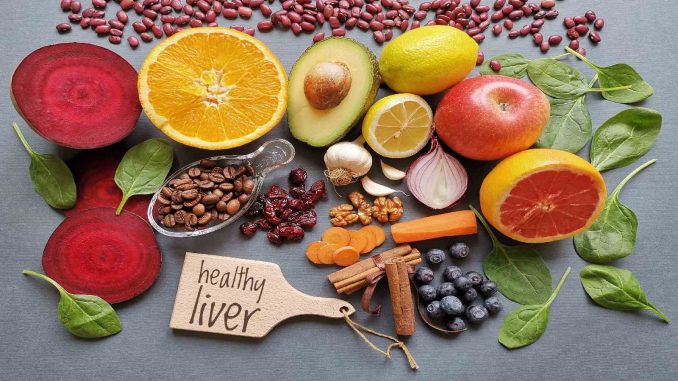
Nutrition is equally important, since the liver is directly involved in metabolizing nearly everything consumed. Diets high in processed foods, refined sugars, and unhealthy fats place extra burden on the liver, forcing it to filter substances that provide little benefit to the body. By contrast, whole foods rich in antioxidants and fiber give the liver the tools it needs to function effectively. Leafy greens, cruciferous vegetables such as broccoli and Brussels sprouts, and foods like garlic and beets are known to enhance detoxification pathways. Antioxidants from berries, nuts, and seeds protect liver cells from damage caused by oxidative stress. These foods do not act as magic cures but instead provide the consistent resources necessary for the liver to stay strong, much like providing high-quality materials ensures a business system runs efficiently without unnecessary breakdowns.
Another natural way to care for the liver is to maintain a balanced relationship with alcohol. While the liver is remarkably resilient, it is also the primary site for metabolizing alcohol, and excessive intake is a leading cause of liver disease. Even moderate drinking can add cumulative stress over time. Reducing alcohol consumption, incorporating alcohol-free days during the week, or replacing alcoholic beverages with alternatives like sparkling water or herbal teas can significantly lighten the load. For professionals accustomed to socializing over drinks, this does not mean eliminating the practice entirely but instead making choices that respect the liver’s limits. Just as overusing a resource in business can deplete it, overtaxing the liver reduces its long-term capacity.
Movement is another lifestyle factor with strong ties to liver health. Regular physical activity improves circulation, helps maintain a healthy weight, and reduces fat buildup in the liver. Non-alcoholic fatty liver disease, increasingly common due to sedentary lifestyles and poor diets, can be significantly mitigated with regular exercise. This does not require extreme athleticism but rather consistent activity—walking, cycling, or any form of movement that keeps the body active. Exercise also lowers inflammation and supports insulin sensitivity, both of which reduce strain on the liver. Think of it as keeping systems tuned; when the whole body runs more smoothly, the liver’s workload lightens.
Sleep also has a direct impact on the liver. During rest, the body undergoes repair and regulatory processes, many of which involve liver function. Disrupted or insufficient sleep can alter hormone levels and interfere with the liver’s ability to manage blood sugar and detoxification. Professionals who sacrifice rest in pursuit of productivity may unintentionally make their liver work harder. In this sense, prioritizing sleep is less about indulgence and more about supporting one of the body’s most vital processes. A rested liver is far more capable of managing daily demands.
Stress management deserves attention as well. Chronic stress elevates cortisol, which indirectly affects liver function by altering metabolism and increasing inflammation. High stress often coincides with unhealthy habits—overreliance on caffeine, irregular eating, or increased alcohol intake—all of which further strain the liver. Incorporating simple practices such as mindful breathing, brief walks, or even short breaks during work hours can reduce this burden. In business, effective leaders recognize the importance of recovery to maintain performance; the liver similarly benefits from periods of reduced strain to continue operating at its best.
It is worth noting that natural support for the liver does not mean relying on fad cleanses or detox products often marketed with exaggerated claims. The liver is already the body’s detox center, and harsh cleanses can sometimes do more harm than good by depriving it of essential nutrients. The most effective approach is not drastic intervention but rather consistent support—hydration, balanced nutrition, movement, rest, and moderation. These practices reinforce the liver’s natural abilities rather than trying to replace them with shortcuts.
Ultimately, supporting liver health naturally is about recognizing its central role in maintaining balance across the body and making choices that lighten its workload rather than add to it. By drinking enough water, eating nutrient-rich foods, moderating alcohol, staying active, getting adequate rest, and managing stress, individuals create the conditions for the liver to thrive. For professionals, this is not only a matter of long-term health but also of daily performance. A well-functioning liver translates into steadier energy, clearer thinking, and greater resilience—qualities that are essential in both personal and professional life. Just as strong foundations allow businesses to weather challenges and grow, a healthy liver provides the foundation for a body that can meet the demands of modern life with strength and stability.
Would you like me to also prepare a shorter 400–500 word version of this article that could be shared in newsletters or as a concise wellness insight on LinkedIn?