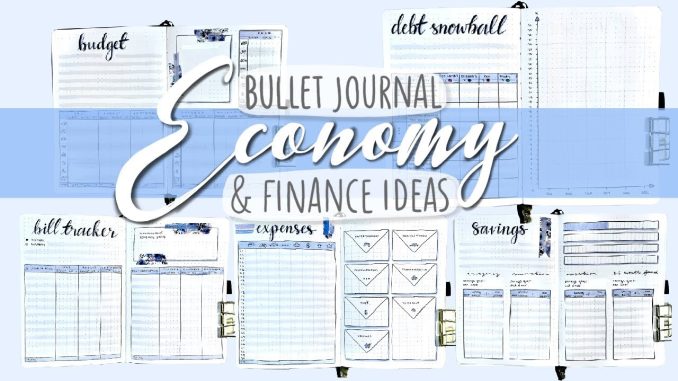
For many, the path to financial wellness is fraught with complex spreadsheets, rigid budgets, and the cold, hard numbers of bank statements. While these tools are certainly valuable, they often fail to capture the full picture of our financial lives. The true journey toward financial mastery isn’t just about tracking dollars and cents; it’s about understanding the “why” behind our spending and saving habits. This is where the practice of keeping a financial journal becomes a profoundly transformative tool. A financial journal is more than a simple record of transactions; it is a space for reflection, a personal narrative of your relationship with money, and a powerful instrument for intentional living. It’s a practice that moves beyond mere budgeting to uncover the motivations, emotions, and aspirations that drive your financial decisions.
The first, and arguably most important, step to starting a financial journal is to choose your medium and establish a regular rhythm. This practice should be a source of clarity and insight, not another chore on your to-do list. Whether you prefer a physical notebook, a digital document, or a dedicated app, the key is to select a format that you will genuinely use. Once you have your journal, commit to a consistent schedule. This could be daily, weekly, or even monthly, but the regularity is what turns it into a habit. A daily entry might involve a quick reflection on the day’s spending and how it made you feel, while a weekly entry could be a more comprehensive review of the week’s financial activities and a forward-looking plan for the next seven days. The consistency allows you to build a detailed and honest record, creating a living document of your financial journey.
Once the rhythm is established, the real work begins: the act of intentional recording. A financial journal goes beyond simply listing expenses. While it’s helpful to note what you spent and where, the true value comes from exploring the context. For each significant transaction, ask yourself a few reflective questions. Why did you make this purchase? Was it a planned expense or an impulse buy? How did it make you feel? Did it align with your long-term financial goals? For example, instead of just writing “Spent $80 on dinner,” you might write, “Went out to dinner with old friends. It felt good to connect and worth the money, but I should have checked my budget beforehand.” This kind of reflection reveals patterns, both positive and negative, that a simple budget tracker would miss. You might discover that you tend to overspend when you’re stressed, or that certain social situations consistently lead to unexpected expenses. These insights are invaluable because they highlight the behavioral triggers you need to address.
Beyond tracking spending, a financial journal is a powerful space for future planning and goal setting. It is where you can articulate your financial aspirations in a tangible way. Write down your long-term goals—buying a house, starting a business, or retiring early—and then break them down into smaller, actionable steps. You can use your journal to track your progress toward these milestones, celebrating small wins and adjusting your strategy when needed. This practice turns abstract goals into a concrete roadmap, making them feel more achievable and motivating. For instance, you could write a monthly entry titled “Progress toward Dream Vacation Fund,” detailing how much you’ve saved and what small changes you plan to make next month to get closer to your goal. This proactive approach transforms your financial journal from a passive record into an active planning tool.
Ultimately, the power of a financial journal lies in its ability to foster a deeper sense of self-awareness and accountability. It provides a non-judgmental space to confront your financial habits, both good and bad, without the pressure of external scrutiny. It allows you to celebrate your successes, learn from your mistakes, and make conscious choices about where your money goes. In a world where money can often feel like a source of anxiety, a financial journal offers a path to empowerment. It helps you see that your financial life isn’t something that just happens to you; it’s a story you are actively writing, one thoughtful entry at a time. This practice turns the often-daunting task of money management into a fulfilling journey of personal growth, leading not just to a healthier bank account, but to a more intentional and fulfilling life.