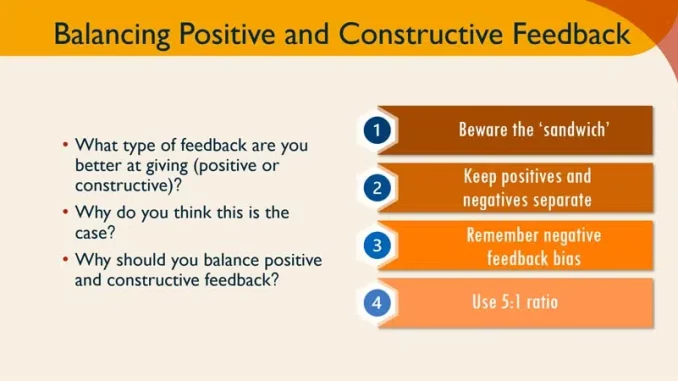
Constructive feedback is a vital part of personal and professional growth. When delivered effectively, it can improve performance, foster stronger relationships, and build a culture of continuous improvement. However, giving feedback—especially when it involves criticism—can be challenging. It requires tact, empathy, and a thoughtful approach. Done poorly, it can demotivate or even damage trust. Done well, it becomes one of the most powerful tools a leader or colleague can use.
Here’s a guide on how to give constructive feedback that’s clear, respectful, and impactful.
1. Start with a Positive Mindset
Before giving feedback, make sure your intent is genuinely to help the other person grow or succeed. Constructive feedback should never come from a place of frustration, retaliation, or ego. When you approach the conversation with a positive and supportive mindset, the other person is more likely to be receptive and less defensive.
2. Choose the Right Time and Place
Context matters. Avoid giving feedback in front of others unless it’s praise. Public criticism can lead to embarrassment or resentment. Instead, choose a private setting that allows for an open, honest conversation without distractions. Also, be timely. Feedback loses impact if it’s delivered too long after the event. Aim to address the issue while it’s still relevant and fresh.
3. Be Specific and Objective
Vague feedback is rarely helpful. Instead of saying, “You need to do better,” try something more precise like, “During yesterday’s meeting, your presentation lacked supporting data, which made it hard to evaluate the proposal.” Use concrete examples and focus on behaviors rather than personality traits. Objective feedback reduces the risk of sounding like a personal attack.
4. Use the “Feedback Sandwich”—Wisely
The classic method involves starting with a positive comment, followed by the constructive criticism, and ending with encouragement. While this format can soften the impact, overusing it may come across as insincere or formulaic. If you use this approach, make sure each part of the sandwich is meaningful and tailored to the individual.
5. Focus on the Impact
Help the recipient understand why the issue matters. Explain the consequences of the behavior or performance. For example: “When deadlines are missed, it delays the entire team’s progress and affects client satisfaction.” When people see the broader impact, they’re more likely to take the feedback seriously and commit to change.
6. Avoid Absolutes and Labels
Phrases like “You always…” or “You never…” tend to exaggerate and create defensiveness. Similarly, avoid labeling someone as “lazy,” “careless,” or any term that attacks character. Instead, focus on what happened, not who they are. Constructive feedback should target actions, not identities.
7. Be Empathetic
Receiving feedback can be difficult. Put yourself in the other person’s shoes. Use language that is respectful and considerate. Phrases like “I noticed…”, “I’d like to suggest…”, or “Have you considered…?” create a more collaborative tone. Show understanding, especially if external factors may have influenced the situation.
8. Invite Dialogue
Feedback should be a two-way conversation, not a monologue. Ask the person for their perspective: “How do you feel about this?” or “Was there something that made this task particularly challenging?” By encouraging open dialogue, you not only gather more context but also build mutual respect and understanding.
9. Offer Support and Solutions
Constructive feedback should leave the person feeling empowered, not defeated. Offer ideas or support for improvement. For example: “If you’d like, I can walk through the report format with you next time,” or “Let’s check in weekly for the next month to make sure you’re on track.” When people feel supported, they’re more likely to act on feedback positively.
10. Follow Up
Feedback isn’t a one-time event. Following up shows that you care about their progress and reinforces accountability. It also gives you a chance to recognize improvements and encourage continued growth. A simple check-in or positive reinforcement can go a long way.