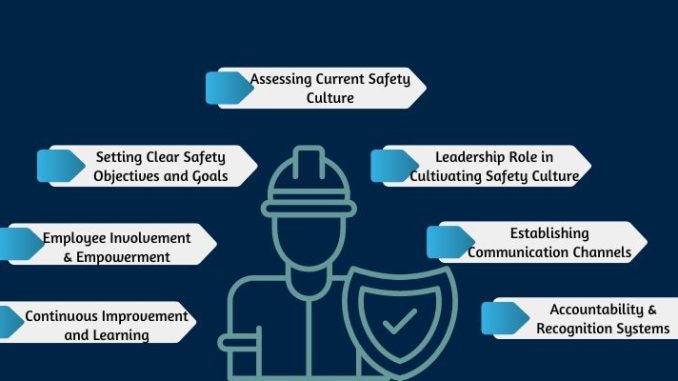
Creating a culture of safety and prevention is not simply about implementing protocols or posting warning signs—it’s about embedding a mindset throughout an organization that values foresight, responsibility, and care. When safety becomes part of the organizational DNA, it influences decisions at every level, from executive strategy to frontline operations. It’s a shift from reactive problem-solving to proactive risk management, and it requires more than compliance—it demands commitment, communication, and consistency.
At the heart of this cultural transformation is leadership. Leaders set the tone for what is prioritized and how values are expressed in daily operations. When executives and managers consistently emphasize safety—not just in meetings or memos, but in their actions and decisions—it signals to employees that prevention is not a box to check, but a core principle. For example, a plant manager who pauses production to address a minor hazard demonstrates that safety is not subordinate to productivity. These moments build trust and reinforce the idea that everyone’s well-being matters.
But leadership alone isn’t enough. A culture of safety thrives when employees feel empowered to speak up, take initiative, and hold each other accountable. This means creating an environment where reporting hazards or near misses is encouraged, not penalized. When workers know they won’t be blamed for raising concerns, they’re more likely to act before an incident occurs. Consider a warehouse team that regularly conducts peer-to-peer safety audits, identifying potential risks and suggesting improvements. This kind of grassroots involvement turns safety from a top-down directive into a shared responsibility.
Training plays a critical role in reinforcing this culture. It’s not just about teaching procedures—it’s about cultivating awareness and judgment. Effective training goes beyond the technical and addresses the “why” behind safety measures. When employees understand the real-world consequences of shortcuts or oversights, they’re more likely to internalize safe practices. For instance, a construction company that uses immersive simulations to demonstrate the impact of fall hazards helps workers visualize the risks and connect emotionally with the importance of prevention. This kind of experiential learning is far more impactful than a checklist or slideshow.
Communication is another cornerstone of a safety-focused culture. Regular, transparent dialogue about risks, incidents, and improvements keeps safety top of mind and fosters continuous learning. It’s not enough to send out monthly bulletins—organizations must create channels for two-way communication. Town halls, suggestion boxes, and digital platforms can all serve as venues for sharing insights and feedback. When a logistics firm holds weekly safety huddles where drivers discuss road conditions and share tips, it builds a sense of community and reinforces the idea that safety is a collective effort.
Metrics and accountability also matter, but they must be used wisely. Tracking incidents, near misses, and compliance rates provides valuable data, but it’s important to avoid creating a punitive atmosphere. If employees fear repercussions for reporting issues, the data becomes skewed and the culture suffers. Instead, metrics should be used to identify trends, celebrate improvements, and guide decision-making. A manufacturing company that recognizes teams for reducing ergonomic injuries through process changes sends a powerful message: safety is not just monitored—it’s valued and rewarded.
Technology is increasingly supporting the shift toward prevention. Wearable devices, smart sensors, and predictive analytics allow organizations to monitor conditions in real time and anticipate potential hazards. These tools can enhance situational awareness and provide early warnings, but they must be integrated thoughtfully. Technology should support human judgment, not replace it. For example, a mining operation that uses sensors to detect gas levels still relies on trained personnel to interpret the data and make decisions. The goal is to augment capabilities, not diminish responsibility.
Creating a culture of safety and prevention also requires adaptability. Risks evolve, and so must the strategies to address them. This means staying informed about industry trends, regulatory changes, and emerging threats. It also means being willing to revise policies, retrain staff, and rethink assumptions. A healthcare facility that updates its infection control protocols in response to new research demonstrates agility and a commitment to continuous improvement. This kind of responsiveness is essential in maintaining relevance and effectiveness.
Ultimately, a culture of safety and prevention is about people. It’s about recognizing that every individual has a role to play in protecting themselves and others. It’s about fostering respect, vigilance, and care in every interaction. When safety becomes a shared value rather than a mandated rule, it transforms the workplace. It reduces incidents, improves morale, and enhances performance. More importantly, it creates an environment where people feel secure, supported, and empowered to do their best work. In today’s complex and fast-paced world, that kind of culture isn’t just beneficial—it’s essential.