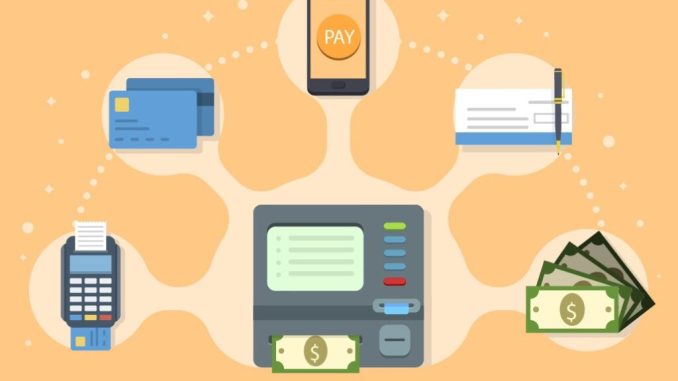
The way we pay for goods and services is undergoing a dramatic transformation. From cash and cards to digital wallets and cryptocurrencies, payment systems are evolving rapidly to meet the demands of a connected, fast-paced world. As we look to the future, several trends and innovations are set to redefine the payment landscape. This article explores the key developments shaping the future of payment systems and their implications for businesses and consumers alike.
1. The Rise of Contactless Payments
Contactless payments have gained significant traction in recent years, driven by the need for speed, convenience, and hygiene. This trend is expected to accelerate in the coming years.
Key Developments:
- NFC Technology: Near Field Communication (NFC) enables seamless transactions with just a tap of a card or smartphone.
- Wearable Devices: Smartwatches and fitness trackers are increasingly being used for contactless payments.
- Global Adoption: Countries worldwide are embracing contactless payments, with some regions moving towards cashless societies.
Why It Matters:
Contactless payments offer a faster, more convenient way to pay, reducing transaction times and enhancing the customer experience.
2. Digital Wallets and Mobile Payments
Digital wallets like Apple Pay, Google Pay, and PayPal are becoming the preferred payment method for many consumers.
Key Developments:
- Integration with Loyalty Programs: Digital wallets are increasingly integrating loyalty and rewards programs, offering added value to users.
- Cross-Border Payments: Digital wallets are making international transactions faster and more affordable.
- Biometric Authentication: Enhanced security features like fingerprint and facial recognition are becoming standard.
Why It Matters:
Digital wallets provide a secure, convenient, and versatile payment option, driving their widespread adoption.
3. Cryptocurrencies and Blockchain
Cryptocurrencies and blockchain technology are poised to revolutionize payment systems by offering decentralized, transparent, and secure transactions.
Key Developments:
- Bitcoin and Ethereum: Leading cryptocurrencies are gaining acceptance as payment methods.
- Central Bank Digital Currencies (CBDCs): Governments are exploring the issuance of digital currencies.
- Smart Contracts: Blockchain-based smart contracts enable automated, secure transactions without intermediaries.
Why It Matters:
Cryptocurrencies and blockchain offer the potential for lower transaction fees, faster processing times, and greater financial inclusion.
4. Buy Now, Pay Later (BNPL)
The Buy Now, Pay Later model is reshaping the way consumers finance their purchases.
Key Developments:
- Flexible Payment Options: BNPL services allow consumers to spread payments over time, often interest-free.
- Integration with E-Commerce: Online retailers are increasingly offering BNPL options at checkout.
- Regulatory Scrutiny: As BNPL grows, regulators are focusing on consumer protection and transparency.
Why It Matters:
BNPL provides consumers with greater flexibility and purchasing power, driving sales for merchants.
5. Artificial Intelligence and Machine Learning
AI and machine learning are enhancing payment systems by improving security, personalization, and efficiency.
Key Developments:
- Fraud Detection: AI algorithms can identify and prevent fraudulent transactions in real-time.
- Personalized Experiences: Machine learning enables tailored payment options and recommendations.
- Voice-Activated Payments: AI-powered voice assistants are facilitating hands-free payments.
Why It Matters:
AI and machine learning are making payment systems smarter, safer, and more user-friendly.
6. Internet of Things (IoT) Payments
The Internet of Things is enabling new payment possibilities through connected devices.
Key Developments:
- Smart Appliances: IoT-enabled devices like refrigerators can reorder and pay for groceries automatically.
- Wearable Technology: Smartwatches and fitness trackers are being used for payments.
- Connected Cars: Vehicles are becoming payment hubs for fuel, tolls, and parking.
Why It Matters:
IoT payments offer convenience and automation, transforming everyday transactions.
7. Real-Time Payments
Real-time payment systems are gaining popularity for their speed and efficiency.
Key Developments:
- Instant Transfers: Real-time systems enable immediate fund transfers between accounts.
- 24/7 Availability: These systems operate around the clock, providing greater flexibility.
- Global Networks: Real-time payment networks are expanding internationally.
Why It Matters:
Real-time payments enhance cash flow management and improve the overall payment experience.
8. Biometric Authentication
Biometric authentication is becoming a key feature in payment systems, enhancing security and convenience.
Key Developments:
- Fingerprint Scanning: Widely used in smartphones and payment terminals.
- Facial Recognition: Increasingly adopted for secure, contactless payments.
- Voice Recognition: Emerging as a hands-free payment option.
Why It Matters:
Biometric authentication reduces fraud and streamlines the payment process.
9. Open Banking and APIs
Open banking is fostering innovation by allowing third-party developers to create new payment solutions.
Key Developments:
- API Integration: APIs enable seamless connectivity between banks, fintechs, and merchants.
- Enhanced Services: Open banking facilitates personalized financial products and services.
- Regulatory Support: Governments are promoting open banking to drive competition and innovation.
Why It Matters:
Open banking empowers consumers with more choices and better financial management tools.
10. Sustainability in Payments
The payment industry is increasingly focusing on sustainability and reducing its environmental impact.
Key Developments:
- Digital Receipts: Reducing paper waste by offering electronic receipts.
- Green Payment Solutions: Encouraging eco-friendly payment methods and practices.
- Carbon Offsetting: Some payment providers are offering carbon offset options for transactions.
Why It Matters:
Sustainable payment practices align with growing consumer demand for environmentally responsible solutions.
Conclusion
The future of payment systems is bright, with numerous trends and innovations set to transform the way we pay. From contactless payments and digital wallets to cryptocurrencies and AI-driven solutions, the payment landscape is evolving rapidly. Businesses and consumers alike must stay informed and adapt to these changes to remain competitive and secure in an increasingly digital world. As we move forward, the focus will be on creating seamless, secure, and sustainable payment experiences that meet the needs of a global, connected economy.