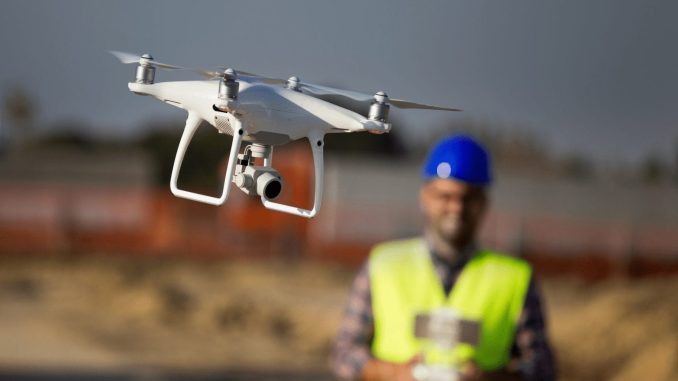
The insurance industry is no stranger to innovation, and one of the most transformative technologies in recent years has been the use of drones. These unmanned aerial vehicles (UAVs) are revolutionizing the way insurance companies process claims, offering faster, safer, and more cost-effective solutions. From assessing property damage to inspecting hazardous areas, drones are becoming an indispensable tool for insurers. In this article, we’ll explore the role of drones in insurance claims processing, their benefits, challenges, and what the future holds for this exciting technology.
How Drones are Used in Insurance Claims Processing
Drones are being utilized in various stages of the claims process, particularly in property and casualty insurance. Here are some of the key applications:
1. Property Damage Assessment
One of the most common uses of drones is to assess damage to properties after events like storms, floods, or fires. Drones equipped with high-resolution cameras and sensors can quickly capture detailed images and videos of damaged structures, allowing insurers to evaluate the extent of the damage without needing to send an adjuster to the site.
2. Roof Inspections
Inspecting roofs can be dangerous and time-consuming for human adjusters. Drones can safely and efficiently inspect roofs, identifying issues like missing shingles, cracks, or water damage. This is especially useful after severe weather events when multiple properties may need inspections simultaneously.
3. Disaster Response
In the aftermath of natural disasters, such as hurricanes or earthquakes, drones can be deployed to assess damage in hard-to-reach or hazardous areas. They provide real-time data that helps insurers prioritize claims and allocate resources effectively.
4. Agricultural Insurance
Drones are also being used in agricultural insurance to assess crop damage caused by pests, droughts, or floods. They can capture multispectral images that provide insights into the health of crops, helping insurers determine the extent of losses.
5. Auto Insurance
In auto insurance, drones can be used to inspect vehicles involved in accidents, especially in cases where the vehicles are in dangerous locations, such as on busy highways or in remote areas.
6. Fraud Detection
Drones can help detect fraudulent claims by providing accurate and unbiased documentation of damage. For example, if a policyholder claims extensive roof damage, a drone inspection can reveal whether the damage is as severe as reported.
Benefits of Using Drones in Insurance Claims Processing
1. Faster Claims Processing
Drones significantly reduce the time it takes to assess damage and process claims. Instead of waiting days or weeks for an adjuster to visit the site, insurers can receive detailed images and data within hours. This speeds up the entire claims process, leading to quicker payouts and higher customer satisfaction.
2. Improved Safety
Inspecting damaged properties, especially after natural disasters, can be dangerous for human adjusters. Drones eliminate the need for personnel to enter hazardous areas, reducing the risk of injuries or accidents.
3. Cost Savings
Using drones can lower operational costs for insurers. They reduce the need for multiple site visits, minimize travel expenses, and decrease the time spent on each claim. These savings can be passed on to policyholders in the form of lower premiums.
4. Enhanced Accuracy
Drones equipped with advanced sensors and cameras can capture highly detailed and accurate data. This reduces the likelihood of errors in damage assessments and ensures that claims are processed fairly.
5. Better Customer Experience
Faster claims processing and accurate assessments lead to a better overall experience for policyholders. Customers appreciate timely responses and fair settlements, which can improve their trust and loyalty to the insurer.
6. Environmental Benefits
Drones are more environmentally friendly than traditional methods of claims assessment, which often involve multiple vehicle trips. By reducing the carbon footprint of claims processing, insurers can contribute to sustainability efforts.
Challenges and Limitations of Drone Technology
While drones offer numerous benefits, their use in insurance claims processing is not without challenges:
1. Regulatory Restrictions
The use of drones is subject to strict regulations in many countries. Insurers must comply with rules regarding flight altitudes, no-fly zones, and pilot licensing, which can limit where and how drones can be used.
2. Privacy Concerns
Drones equipped with cameras raise privacy concerns, especially when flying over residential areas. Insurers must ensure they have the necessary permissions and adhere to privacy laws to avoid legal issues.
3. Initial Investment Costs
While drones can save money in the long run, the initial investment in equipment, software, and training can be significant. Smaller insurance companies may find it challenging to adopt this technology.
4. Data Management
Drones generate large amounts of data, including high-resolution images and videos. Insurers need robust systems to store, analyze, and manage this data effectively.
5. Weather Limitations
Drones are sensitive to weather conditions, such as strong winds, rain, or fog, which can limit their usability in certain situations.
The Future of Drones in Insurance Claims Processing
The use of drones in insurance is still in its early stages, but the potential for growth is immense. Here are some trends to watch:
1. Integration with AI and Machine Learning
Drones are increasingly being integrated with artificial intelligence (AI) and machine learning algorithms. This allows for automated damage assessment, where AI can analyze drone footage to identify and quantify damage without human intervention.
2. Advanced Sensors and Imaging
Future drones may be equipped with even more advanced sensors, such as thermal imaging and LiDAR (Light Detection and Ranging), to provide deeper insights into damage and structural integrity.
3. Expanded Use in Different Insurance Sectors
While drones are primarily used in property and casualty insurance, their applications are expanding to other sectors, such as life insurance (e.g., assessing risks for policyholders in remote areas) and marine insurance (e.g., inspecting ships and cargo).
4. Collaboration with Other Technologies
Drones are likely to be used in conjunction with other emerging technologies, such as blockchain for secure data sharing and IoT (Internet of Things) for real-time monitoring of insured assets.
5. Increased Adoption by Insurers
As the technology becomes more affordable and regulations evolve, more insurers are expected to adopt drones as a standard tool for claims processing.
Case Study: Drones in Action
After Hurricane Harvey devastated parts of Texas in 2017, insurers faced a massive influx of claims. Many turned to drones to assess the damage quickly and efficiently. For example, one major insurer used drones to inspect over 1,000 properties in just a few days, significantly speeding up the claims process and helping policyholders recover faster.
Conclusion
Drones are transforming the insurance industry, offering a faster, safer, and more cost-effective way to process claims. From property damage assessments to disaster response, their applications are vast and growing. While challenges remain, the benefits of drone technology far outweigh the limitations, making it a valuable tool for insurers and policyholders alike.
As the technology continues to evolve, we can expect drones to play an even greater role in insurance claims processing, driving efficiency, accuracy, and customer satisfaction. For insurers looking to stay ahead of the curve, investing in drone technology is no longer optional—it’s essential.