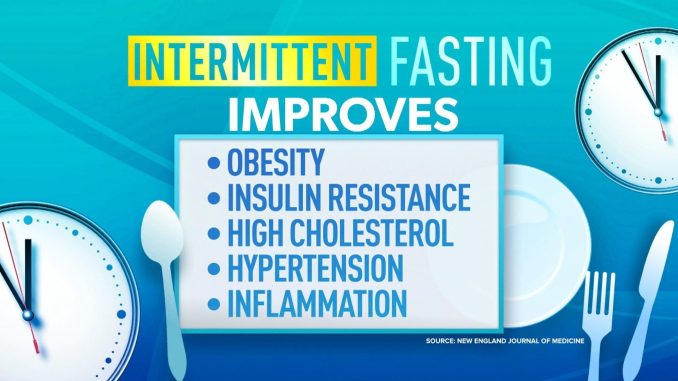
Intermittent fasting has gained significant attention in recent years as a practical approach to health and wellness, but its benefits are best realized when practiced safely and thoughtfully. At its core, intermittent fasting is not about deprivation but about timing—structuring periods of eating and fasting in ways that support the body’s natural rhythms. When done correctly, it can enhance energy, improve metabolic health, and contribute to long-term resilience, making it a valuable tool for professionals seeking balance in both their personal and business lives.
One of the most notable benefits of intermittent fasting is its impact on metabolic efficiency. By extending the time between meals, the body shifts from relying on glucose as its primary energy source to tapping into stored fat. This metabolic flexibility not only supports weight management but also stabilizes energy levels throughout the day. For professionals navigating demanding schedules, this steadiness can reduce the mid-afternoon slump and improve focus, allowing for greater productivity without the constant reliance on caffeine or snacks.
Intermittent fasting also influences insulin sensitivity, which plays a critical role in how the body processes and stores energy. Improved insulin sensitivity means that the body can manage blood sugar more effectively, reducing spikes and crashes that often lead to fatigue or irritability. Over time, this can lower the risk of metabolic conditions such as type 2 diabetes. In business contexts, where long hours and irregular meals are common, maintaining stable blood sugar levels can be a game-changer for sustaining performance and decision-making.
Another benefit lies in cellular repair and renewal. During fasting periods, the body initiates processes that remove damaged cells and recycle components, a mechanism known as autophagy. This natural cleansing supports longevity and resilience, helping the body adapt to stress more effectively. For professionals, the idea of renewal resonates not only physically but also mentally, as intermittent fasting can foster a sense of discipline and clarity that extends beyond health into daily routines and leadership practices.
Intermittent fasting has also been linked to improved cardiovascular health. By supporting weight management, reducing inflammation, and stabilizing blood pressure, fasting can contribute to a healthier heart. These benefits are particularly relevant for individuals in high-stress environments, where cardiovascular risks are often elevated. A safe fasting routine can serve as a preventive measure, reinforcing the importance of proactive health management in sustaining long-term success.
Mental clarity is another area where intermittent fasting shows promise. Many individuals report enhanced focus and sharper thinking during fasting periods, likely due to stabilized energy levels and reduced fluctuations in blood sugar. For professionals engaged in complex problem-solving or creative work, this clarity can be invaluable. It creates space for deeper concentration and more effective decision-making, qualities that are essential in competitive business landscapes.
Practicing intermittent fasting safely requires attention to balance and moderation. It is not about skipping meals recklessly but about creating structured patterns that align with individual needs. For some, this may mean a daily fasting window of 14 to 16 hours, while others may adopt alternate-day approaches. The key is to listen to the body, ensuring that fasting does not lead to fatigue, irritability, or nutritional deficiencies. Professionals, in particular, must be mindful of maintaining energy for demanding schedules, making safety a priority in any fasting plan.
Nutrition during eating periods is equally important. Intermittent fasting is most effective when paired with nutrient-dense meals that provide the vitamins, minerals, and protein needed for recovery and sustained energy. Relying on processed foods or skipping balanced meals undermines the benefits and can lead to setbacks. By focusing on whole foods, individuals can maximize the positive effects of fasting while ensuring that their bodies remain strong and resilient.
Hydration is another critical factor. During fasting periods, it is easy to overlook the importance of water, yet hydration supports digestion, circulation, and overall energy. Professionals who practice intermittent fasting safely often prioritize water, herbal teas, or other non-caloric beverages to maintain balance. This simple habit reinforces the idea that fasting is not about restriction but about mindful choices that support health.
Intermittent fasting also encourages a healthier relationship with food. By shifting focus from constant eating to intentional nourishment, individuals often become more aware of hunger cues and more appreciative of meals. This mindfulness can reduce overeating and foster a sense of control, which is particularly valuable in high-pressure environments where stress often influences eating habits. For professionals, this awareness translates into better energy management and a more sustainable approach to wellness.
The discipline required for intermittent fasting can also spill over into other areas of life. Establishing a routine around eating and fasting fosters consistency, which can enhance productivity and time management. Professionals who adopt fasting safely often find that the structure helps them approach other commitments with greater focus and intentionality. In this way, intermittent fasting becomes not just a health practice but a tool for personal and professional growth.
It is important to recognize that intermittent fasting is not suitable for everyone. Individuals with certain medical conditions, pregnant women, or those with a history of disordered eating should approach fasting with caution and seek professional guidance. Safety must always come first, and fasting should be tailored to individual circumstances rather than applied as a one-size-fits-all solution. This awareness underscores the importance of personalization in health practices, ensuring that benefits are achieved without compromising well-being.
Ultimately, the benefits of intermittent fasting are best realized when it is practiced as part of a balanced lifestyle. It is not a quick fix but a sustainable approach that supports metabolic health, mental clarity, and resilience. For professionals, the ability to harness these benefits safely can enhance both personal wellness and business performance, creating a foundation for long-term success. By approaching fasting with mindfulness, discipline, and respect for the body’s needs, individuals can unlock its potential while ensuring that health remains the top priority.