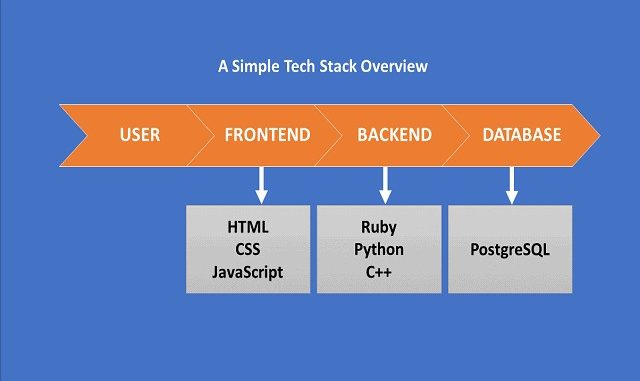
In the world of software development, the term “tech stack” is used frequently, yet it can feel abstract to those outside the engineering sphere. At its core, a tech stack refers to the combination of technologies, frameworks, and tools that developers use to build and run an application. It’s the foundation upon which digital products are constructed, and it influences everything from performance and scalability to user experience and development speed. Understanding what a tech stack is—and why it matters—is essential for anyone involved in building, managing, or investing in software-driven businesses.
A tech stack is typically divided into two main components: the front end and the back end. The front end, often called the client side, is what users interact with directly. It includes the visual layout, buttons, forms, and other elements that make up the user interface. Technologies like HTML, CSS, and JavaScript are staples of front-end development, and frameworks such as React, Angular, or Vue.js help developers create dynamic, responsive experiences. The back end, or server side, handles the logic, database interactions, authentication, and other behind-the-scenes processes. It’s powered by programming languages like Python, Java, Ruby, or Node.js, and often relies on frameworks such as Django, Spring, or Express to streamline development.
The choice of tech stack can significantly impact a project’s trajectory. Some stacks are better suited for rapid prototyping, while others offer robust performance for enterprise-scale applications. For example, startups might favor the MERN stack—MongoDB, Express, React, and Node.js—because it allows for full-stack JavaScript development, reducing complexity and speeding up iteration. On the other hand, a financial institution might opt for a more mature stack like Java with Oracle databases, prioritizing stability, security, and compliance. These decisions are rarely made in isolation; they reflect the goals, constraints, and context of the organization.
Beyond the core technologies, a tech stack includes supporting tools for version control, testing, deployment, and monitoring. Git is widely used for source code management, while platforms like GitHub or GitLab facilitate collaboration. Continuous integration and deployment tools such as Jenkins, CircleCI, or GitHub Actions help automate testing and release processes. Monitoring tools like New Relic, Datadog, or Prometheus provide visibility into application performance and user behavior. These components may not be visible to end users, but they are critical to maintaining quality and reliability throughout the software lifecycle.
The evolution of cloud computing has further expanded the concept of a tech stack. Infrastructure is no longer a static set of servers—it’s a dynamic, scalable environment managed through services like AWS, Azure, or Google Cloud. Developers can choose from a wide array of managed services, from databases and storage to machine learning and analytics. This flexibility allows teams to focus on building features rather than managing hardware, but it also introduces complexity in terms of configuration, cost management, and vendor lock-in. Selecting the right cloud services becomes part of the strategic tech stack decision.
One of the challenges in choosing a tech stack is balancing innovation with maintainability. New frameworks and languages emerge regularly, promising faster development and better performance. While it’s tempting to adopt the latest trend, doing so without considering long-term implications can lead to technical debt and team fragmentation. A well-chosen tech stack should align with the team’s expertise, the project’s requirements, and the organization’s roadmap. It should be flexible enough to evolve, yet stable enough to support ongoing development. This balance is often achieved through thoughtful architecture and clear documentation.
Communication between front-end and back-end components is another critical consideration. APIs, or application programming interfaces, serve as the bridge between the two layers. RESTful APIs and GraphQL are common approaches, each with its own strengths. REST is simple and widely supported, while GraphQL offers more flexibility in querying data. The design of these interfaces affects not only performance but also developer productivity and user experience. A well-structured API can make it easier to build mobile apps, integrate third-party services, or support future enhancements.
Security is an integral part of any tech stack. From encrypting data in transit to managing user authentication, the technologies chosen must support best practices and compliance requirements. Frameworks often include built-in security features, but developers must still configure them correctly and stay vigilant against emerging threats. Using tools like OAuth for authentication, HTTPS for secure communication, and regular vulnerability scanning helps ensure that the application remains trustworthy and resilient.
Ultimately, a tech stack is more than a list of tools—it’s a strategic blueprint for building software. It reflects the priorities of the business, the capabilities of the team, and the expectations of the users. As technology continues to evolve, so too will the stacks that power our digital experiences. The key is not to chase every new tool, but to build a stack that supports innovation, scales with growth, and delivers value consistently. Whether you’re a developer, a product manager, or a business leader, understanding the anatomy of a tech stack helps you make smarter decisions and contribute more effectively to the success of your software initiatives.