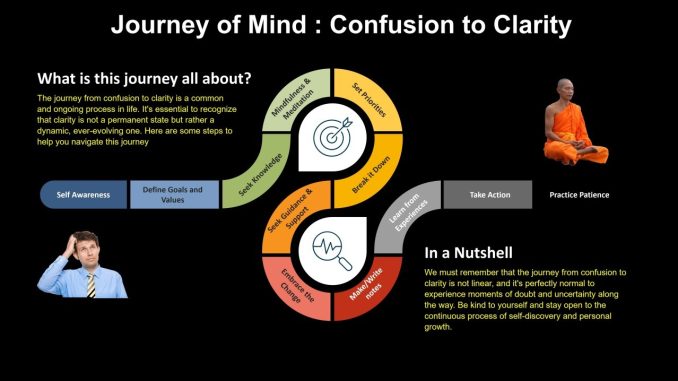
In the fast-moving world of business, goals often pile up faster than they can be processed. Ideas emerge in meetings, deadlines shift, priorities compete, and before long, even the most ambitious professional can feel buried under a mountain of intentions. The result is a kind of strategic fog—where everything feels urgent, but nothing feels clear. Moving from confusion to confidence in goal-setting isn’t about doing more; it’s about organizing better. It’s about transforming scattered ambition into structured momentum, and reclaiming control over the direction of your work and your impact.
The first step toward clarity is acknowledging the chaos. Many professionals hesitate to admit when their goals feel disorganized, fearing it reflects poorly on their competence. But in reality, the complexity of modern business makes this experience almost universal. Goals come from multiple sources—personal aspirations, team objectives, company mandates—and they often arrive without context or hierarchy. When everything is labeled as a priority, nothing truly is. Recognizing this dynamic is not a weakness; it’s the beginning of strategic thinking. It allows you to pause, assess, and begin the process of sorting signal from noise.
Organizing goals starts with understanding their purpose. Not all goals are created equal. Some are foundational, supporting long-term vision and values. Others are tactical, designed to solve immediate problems or capitalize on short-term opportunities. A business leader might have a goal to expand into a new market, while also needing to improve internal communication. Both matter, but they serve different functions. By categorizing goals based on their strategic role, you create a framework that helps prioritize and allocate resources. This clarity enables better decision-making and reduces the emotional weight of competing demands.
Once goals are categorized, they need to be contextualized. A goal without context is just a task—it lacks meaning and direction. Context includes timelines, stakeholders, dependencies, and desired outcomes. For example, a goal to launch a new product becomes more actionable when it’s tied to a specific quarter, aligned with customer feedback, and supported by cross-functional collaboration. Context transforms abstract ambition into concrete planning. It also helps identify potential conflicts or overlaps, allowing for better coordination and alignment across teams.
Confidence in goal-setting also comes from realism. Ambitious goals are inspiring, but they must be grounded in capacity. Overcommitting leads to burnout and underperformance, while undercommitting can stall growth. The discipline lies in setting goals that stretch your capabilities without snapping them. This requires honest assessment of time, talent, and tools. A startup founder might dream of scaling globally within a year, but if the infrastructure isn’t ready, that goal becomes a source of stress rather than motivation. Adjusting goals to fit reality doesn’t mean lowering standards—it means increasing the likelihood of success.
Communication plays a vital role in organizing goals. Goals that live in isolation tend to drift. When they’re shared, discussed, and revisited, they gain traction. Teams that regularly review their objectives, celebrate progress, and recalibrate as needed build a culture of accountability and adaptability. This doesn’t require endless meetings—it requires intentional dialogue. A manager who checks in with their team weekly, not just on tasks but on goals, creates a rhythm that supports focus and fosters collaboration. Communication turns goals from static statements into dynamic commitments.
Technology can support this process, but it’s not a substitute for clarity. Project management tools, dashboards, and goal-tracking platforms offer visibility and structure, but they must be used with intention. A cluttered dashboard can be just as confusing as a cluttered inbox. The key is to use technology to reinforce priorities, not obscure them. When tools are aligned with strategy and integrated into daily workflows, they become powerful allies in goal organization. They help track progress, surface insights, and maintain momentum.
Reflection is the final piece of the puzzle. Organizing goals isn’t a one-time event—it’s an ongoing practice. Regular reflection allows you to assess what’s working, what’s stalled, and what needs to change. It creates space for learning and growth. A quarterly review, for instance, can reveal patterns in goal achievement, highlight areas of misalignment, and inform future planning. Reflection isn’t about judgment—it’s about insight. It turns experience into wisdom and helps refine your approach over time.
Ultimately, moving from confusion to confidence in goal-setting is about reclaiming agency. It’s about shifting from reactive to proactive, from overwhelmed to intentional. When goals are organized with clarity, context, and care, they become more than aspirations—they become engines of progress. They guide your decisions, shape your actions, and define your impact. And in a business world that rewards agility and focus, the ability to organize your goals is not just a skill—it’s a strategic advantage.