Letting your team lead is one of the most transformative decisions a business leader can make. It’s a shift from control to trust, from direction to collaboration, and from hierarchy to empowerment. While it may feel risky at first—especially for leaders who are used to being the central decision-maker—the rewards are often profound. When you allow your team to take the lead, you unlock a level of engagement, creativity, and ownership that simply doesn’t exist in top-down environments. The dynamic changes, and so does the trajectory of the business.
One of the first things that happens when you let your team lead is that people begin to take initiative. Instead of waiting for instructions, they start identifying problems, proposing solutions, and driving projects forward. This shift doesn’t happen overnight, but when team members realize their ideas are valued and their decisions carry weight, they become more proactive. For example, a marketing manager who’s given the freedom to experiment with new campaign strategies is more likely to explore bold, data-driven approaches than one who’s simply executing someone else’s plan. That sense of ownership fuels innovation and accelerates progress.
Trust is the foundation of this approach. When leaders step back and let their teams lead, they’re signaling confidence in their people’s abilities. That trust is reciprocated. Employees feel respected and empowered, which strengthens their commitment to the organization’s goals. It also fosters a culture of accountability. When team members know they’re responsible for outcomes, they take their roles more seriously. They’re not just doing a job—they’re contributing to something larger. This sense of purpose can dramatically improve morale and retention, especially in environments where autonomy and growth are valued.
Letting your team lead also reveals hidden talent. In traditional structures, leadership potential often goes unnoticed because people aren’t given the chance to step up. But when you create space for others to lead, you discover new strengths and perspectives. A junior developer might emerge as a natural project coordinator. A customer service representative might demonstrate strategic thinking that reshapes how feedback is handled. These discoveries not only benefit the business but also help individuals grow in their careers. Leadership becomes a shared responsibility, not a title reserved for a select few.
Another benefit is agility. Teams that are empowered to lead can respond more quickly to challenges and opportunities. They don’t have to wait for approvals or navigate layers of bureaucracy. They can assess situations, make informed decisions, and act. This responsiveness is especially valuable in fast-paced industries where timing is critical. A product team that’s trusted to iterate and launch updates without constant oversight can keep pace with user needs and market trends. That agility gives the business a competitive edge and builds a culture of continuous improvement.
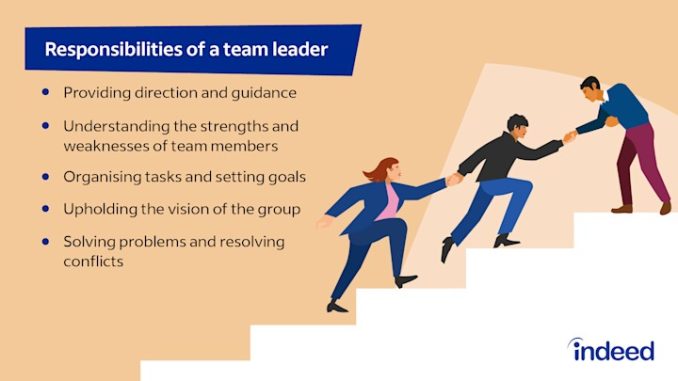
Of course, letting your team lead doesn’t mean abandoning leadership. It means redefining it. The role of the leader becomes one of guidance, support, and alignment. You’re still responsible for setting the vision, ensuring strategic coherence, and maintaining standards. But instead of dictating every move, you’re facilitating progress. You’re asking questions, removing obstacles, and helping your team connect their work to the bigger picture. This kind of leadership is more demanding in some ways—it requires emotional intelligence, patience, and a willingness to let go of ego. But it’s also more rewarding, because it cultivates a stronger, more resilient organization.
Communication becomes even more important in this model. When teams lead, they need clarity around goals, expectations, and boundaries. They need to understand the “why” behind their work so they can make decisions that align with the company’s mission. Leaders must be intentional about sharing information, listening actively, and creating feedback loops. This transparency builds trust and ensures that autonomy doesn’t lead to fragmentation. Everyone is rowing in the same direction, even if they’re choosing their own strokes.
Letting your team lead also changes how success is measured. It’s no longer just about hitting targets—it’s about how those targets are achieved. Are people collaborating effectively? Are they learning and growing? Are they solving problems creatively and ethically? These qualitative measures become just as important as quantitative ones. They reflect the health of the organization and the sustainability of its success. A team that leads well doesn’t just deliver results—they build capacity for future challenges.
There can be growing pains, especially if the culture has been heavily top-down. Some team members may be hesitant to take the lead, fearing failure or criticism. Others may need support in developing leadership skills. That’s where coaching and mentorship come in. Leaders can help their teams build confidence, navigate complexity, and learn from mistakes. Over time, these efforts pay off. The team becomes more self-sufficient, more innovative, and more aligned with the company’s values.
Ultimately, letting your team lead is an investment in people. It’s a belief that the best ideas don’t always come from the top, and that leadership is a collective endeavor. It’s about creating an environment where everyone feels empowered to contribute, take risks, and grow. When that happens, the business doesn’t just move forward—it evolves. It becomes more adaptive, more inclusive, and more capable of thriving in a changing world. And as a leader, you’re not just building a company—you’re building a community of leaders.