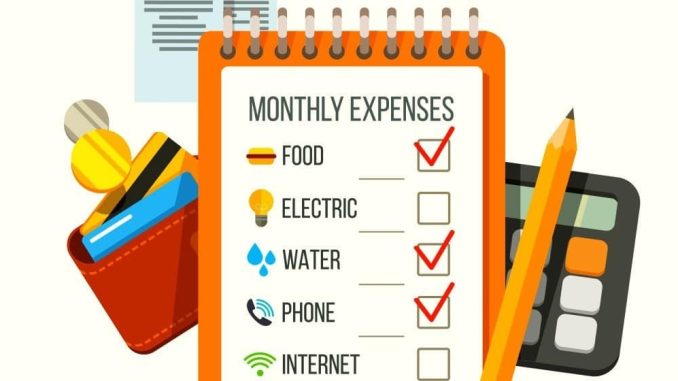
In the contemporary financial landscape, where digital transactions have largely replaced the tactile exchange of cash, money can feel increasingly abstract. This disconnect, while convenient, often makes it challenging to truly understand where our hard-earned income goes. For many, the idea of “tracking spending” conjures images of tedious manual entries or restrictive budgeting. However, mastering the art of efficient spending tracking is not about rigid deprivation; it’s about gaining clarity, insights, and ultimately, control over one’s financial destiny. When done effectively, it transforms a potentially daunting task into an empowering habit, revealing patterns that can unlock significant savings and accelerate progress toward financial goals.
The fundamental purpose of tracking spending is to create **financial awareness**. Without a clear picture of your income and outflows, budgeting becomes guesswork, and financial goals remain distant aspirations. This awareness is the first step toward intentional money management, allowing you to identify financial leaks, recognize spending triggers, and make informed decisions about your resources. For instance, you might *think* you only spend a modest amount on dining out each month, but a few weeks of diligent tracking might reveal a surprising cumulative total that far exceeds your estimates. This objective data serves as the foundation for any realistic spending plan or budget, moving beyond assumptions to concrete facts.
One of the most efficient ways to track spending in today’s digital world is by **leveraging technology and automation**. Manual entry of every single transaction, while thorough, can be time-consuming and prone to human error, leading to quick abandonment. Instead, begin by utilizing the tools that are already integrated into your financial life. Most banks and credit card companies in Thailand offer robust online banking platforms and mobile apps that automatically categorize your transactions. By regularly reviewing these digital statements, you can gain a broad overview of your spending patterns. Many apps allow you to set custom categories, refining the level of detail to suit your needs. The key here is consistency in reviewing these automatically captured transactions and correcting any miscategorizations.
Beyond basic banking apps, dedicated **budgeting applications and software** offer a more sophisticated and centralized approach to efficient spending tracking. Platforms like YNAB (You Need A Budget), Mint, or local Thai financial apps are designed to link directly to your bank accounts and credit cards, automatically importing and often categorizing transactions. Their true power lies in their ability to provide real-time updates, visualize your spending against your budget, and offer detailed reports that highlight where your money is going. For example, if you set a monthly limit for “entertainment,” the app will show you how much of that allowance you’ve used and how much remains, effectively creating “digital envelopes” that mimic the physical cash system. This automation significantly reduces the manual effort, making tracking a more sustainable habit.
For those who prefer a more manual, yet still efficient, approach, a **simple spreadsheet or a digital notebook** can be incredibly effective, provided discipline is maintained. The efficiency here comes from a minimalist approach: focusing only on the categories that matter most to you and not over-complicating the system. You might create broad categories like “Fixed Expenses,” “Variable Necessities,” “Discretionary Spending,” and “Savings/Debt Repayment.” The crucial element is to commit to logging transactions daily or every few days, rather than letting them pile up. For cash transactions, this means jotting them down immediately. This method forces a higher level of conscious engagement with each purchase, which can be a powerful deterrent against impulse spending.
Regardless of the tool chosen, the efficiency of your tracking hinges on **consistency and periodic review**. Tracking spending is not a one-time activity; it’s an ongoing practice. Set aside a few minutes each day, or at least a dedicated block of time each week, to review your transactions, categorize them, and compare them against your spending plan. This regular review allows you to spot trends early, identify areas of overspending before they become significant problems, and make timely adjustments to your budget. It transforms tracking from a chore into a valuable feedback loop that informs your financial decisions and keeps you accountable to your goals. Without this consistent review, even the most automated system becomes a mere data repository rather than a tool for financial empowerment.
Finally, remember that efficient spending tracking is not about judging past mistakes; it’s about **informing future decisions**. Its ultimate purpose is to provide the clarity needed to align your spending with your values and financial goals, whether that’s building an emergency fund, paying off credit (as per the saved information from 2025-07-19), saving for a child’s education, or achieving FIRE. By embracing a systematic, consistent, and technology-aided approach to monitoring your financial outflows, you transform a seemingly mundane task into a powerful catalyst for financial discipline and lasting economic well-being.