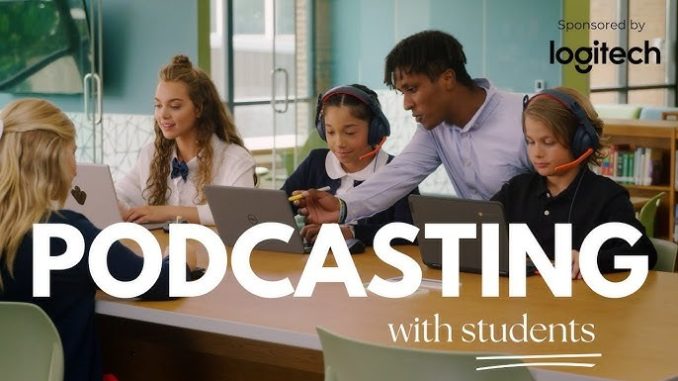
The world of education is constantly evolving, seeking new and engaging ways to impart knowledge and foster learning. While traditional textbooks and lectures remain foundational, digital mediums have opened up exciting avenues for sharing insights and connecting with learners far beyond the confines of a classroom. Among these, the education podcast has emerged as a particularly potent tool, offering an accessible, flexible, and often deeply personal way to deliver content. For educators, subject matter experts, or anyone passionate about sharing knowledge, creating an education podcast is a compelling endeavor. It allows for the exploration of complex topics, the sharing of diverse perspectives, and the cultivation of a loyal community of listeners eager to learn, all while tapping into the burgeoning audio content market.
The journey to creating a successful education podcast begins with a clear understanding of your **niche and target audience**. The educational landscape is vast, so attempting to cover everything will likely lead to a diluted message. Instead, identify a specific area of expertise or a particular learning gap you aim to fill. Are you teaching advanced physics concepts to university students? Are you breaking down complex economic theories for business professionals? Or are you offering practical parenting advice for new parents? Defining your niche allows you to tailor your content, language, and tone to resonate deeply with your intended listeners. For example, a podcast aimed at high school students studying literature might use more informal language and incorporate pop culture references, while one for medical professionals would maintain a highly formal and research-driven approach. This clarity is the bedrock upon which all subsequent decisions will be built.
Once your niche is established, developing a **compelling content strategy and episode structure** becomes paramount. Brainstorm a list of potential topics that align with your niche and audience needs. Consider different formats: will you deliver solo lectures, interview guest experts, engage in panel discussions, or perhaps incorporate interactive segments? A mix of formats can keep things fresh. Outline each episode with clear learning objectives, key takeaways, and a logical flow. Think about how to break down complex information into digestible segments, using anecdotes, real-world examples, or even mini-quizzes to enhance comprehension and engagement. For a podcast on personal finance, episodes could range from “Understanding Compound Interest” (a solo lecture) to “Interview with a Successful Investor” (guest interview) and “Budgeting Tips from Our Listeners” (community-driven content). Consistency in structure helps listeners know what to expect and keeps them coming back.
The technical aspects, while seemingly daunting, are more accessible than ever. Investing in decent **audio equipment** is crucial, as poor sound quality can quickly deter listeners. A good quality USB microphone (like a Blue Yeti or Rode NT-USB Mini) is an excellent starting point, often costing under $150. Beyond the microphone, consider headphones for monitoring and a quiet recording space to minimize echoes and background noise. For **editing software**, free options like Audacity or GarageBand (for Mac users) are powerful enough for most needs, while paid professional tools like Adobe Audition offer more advanced features. The goal here is clarity and professionalism; crisp audio allows your message to shine through without distractions.
After recording and editing, your podcast needs a **hosting platform**. Services like Libsyn, Buzzsprout, or Podbean store your audio files, generate an RSS feed, and distribute your podcast to major directories like Apple Podcasts, Spotify, Google Podcasts, and others. These platforms often provide analytics that track downloads, listener demographics, and popular episodes, offering valuable insights into your audience’s preferences. Choosing a reliable host ensures your content is widely available and easily discoverable by potential learners.
Perhaps the most challenging, yet critical, step is **marketing and promoting your education podcast**. Simply launching it isn’t enough; you need to tell people it exists. Leverage your existing networks: share episodes on your social media channels, incorporate links into your email signature, and mention it in your professional presentations. Consider reaching out to relevant online communities, educational forums, or even other podcasters for cross-promotion opportunities. Encourage listeners to subscribe, rate, and review your podcast, as this boosts visibility within directories. Creating short, shareable audio snippets or video teasers of key moments from each episode can also drive engagement on visual platforms. Consistency in promotion, alongside consistent content release, builds momentum.
Finally, remember that an education podcast thrives on **listener engagement and continuous improvement**. Encourage questions, comments, and feedback from your audience through dedicated email addresses, social media, or even a Q&A segment within episodes. This not only makes listeners feel valued but also provides invaluable insights for future content. Analyze your download statistics, listen to feedback, and be willing to adapt and refine your approach over time. Perhaps a particular topic resonated strongly, or a certain interview style proved more engaging. The best educational podcasts evolve with their audience, demonstrating a commitment to their learning journey and fostering a loyal, informed community around the shared pursuit of knowledge.
In conclusion, creating an education podcast is a powerful way to democratize knowledge, build a community, and establish yourself as an authority in your field. While it requires careful planning, a modest investment in equipment, and consistent effort in production and promotion, the rewards—in terms of reach, impact, and the sheer joy of sharing what you know—are immeasurable. By focusing on a clear niche, crafting compelling content, ensuring high-quality audio, and actively engaging your audience, you can create an educational resource that truly resonates, inspires learning, and makes a lasting difference in the lives of your listeners.