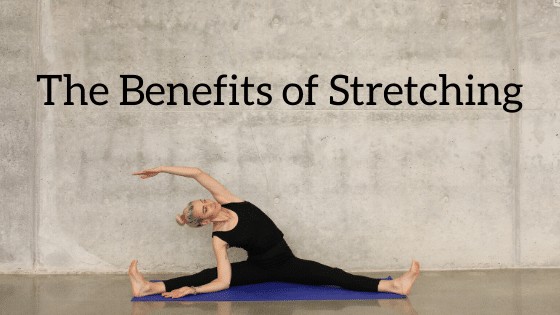
In an increasingly sedentary world, where hours are often spent hunched over desks or glued to screens, the human body, a marvel of interconnected tissues and mechanics, often suffers from neglect. Our joints stiffen, our muscles shorten, and our range of motion diminishes, leading to a cascade of discomfort and, potentially, more serious health issues. While high-intensity workouts and strength training often dominate fitness discussions, the seemingly simple practice of regular stretching frequently gets relegated to an afterthought, a warm-up or cool-down component rather than a vital discipline in its own right. However, for those who truly understand the intricacies of human physiology and the pursuit of optimal well-being, the benefits of incorporating consistent stretching into one’s daily routine are profound and far-reaching, impacting not just physical performance but also overall health and even mental clarity.
Perhaps the most universally recognized advantage of stretching is its ability to enhance flexibility and increase range of motion. Over time, muscles naturally shorten and tighten, especially with prolonged periods of inactivity or repetitive movements. This shortening can restrict joint movement, making everyday tasks like bending down, reaching overhead, or even turning your head comfortably feel challenging. Regular stretching, by gently elongating muscle fibers, helps to restore and improve elasticity, allowing joints to move through their full, natural range. Consider the professional who spends countless hours typing; stretching the shoulders, chest, and wrists can counteract the postural imbalances that often lead to upper back pain and carpal tunnel syndrome, enabling them to work more comfortably and efficiently. This improved flexibility translates directly into greater ease and efficiency in movement, whether in athletic pursuits or the simple acts of daily living.
Beyond mere flexibility, consistent stretching plays a crucial role in injury prevention. Tight muscles are inherently more prone to strains, tears, and sprains. When a muscle is stretched beyond its limited capacity during an sudden movement, the risk of injury skyrockets. By regularly lengthening muscles and tendons, stretching helps to prepare the body for physical activity, making tissues more resilient and less susceptible to sudden trauma. For an athlete, this might mean the difference between a peak performance and a debilitating hamstring pull. For the average person, it could mean preventing a pulled back muscle from a simple misstep or a shoulder injury from reaching for something awkwardly. Furthermore, improved flexibility ensures that forces are distributed more evenly across joints during movement, reducing undue stress on specific areas that might otherwise lead to overuse injuries.
Another significant, though often underestimated, benefit of regular stretching is its contribution to pain relief and posture improvement. Many common aches and pains, particularly in the neck, shoulders, and lower back, are directly attributable to muscle tightness and imbalances. For instance, tight hip flexors from prolonged sitting can pull on the pelvis, leading to lower back discomfort. Similarly, rounded shoulders and a forward head posture, common in today’s digital age, can strain neck muscles and lead to chronic headaches. Stretching helps to release this muscular tension, alleviating pressure on nerves and joints. By encouraging muscles to return to their optimal length, it helps to realign the body, improve posture, and reduce compensatory movements that often lead to pain. Imagine the relief for someone who suffers from tension headaches; targeted stretches for the neck and upper back can often provide significant respite without the need for medication.
The physiological benefits of stretching extend even further to enhancing circulation. When muscles are tight, blood flow to those areas can be restricted. Stretching, by increasing blood flow to muscles, delivers essential nutrients and oxygen more efficiently, while also helping to remove metabolic waste products. Improved circulation not only aids in muscle recovery after exercise but can also contribute to overall tissue health and vitality. This enhanced blood flow can lead to faster healing of minor aches and even contribute to a greater sense of energy throughout the day, as cells are more effectively nourished.
Moreover, the act of stretching offers distinct mental and emotional advantages. It can serve as a powerful stress reliever. As we experience stress, our muscles often tense up, a remnant of the “fight or flight” response. Holding stretches, particularly when combined with deep, controlled breathing, can trigger the parasympathetic nervous system, promoting relaxation and reducing the physical manifestations of stress. Taking a few minutes to stretch can act as a mental pause, allowing for a moment of quiet reflection and release from daily pressures. This mind-body connection fostered through stretching can lead to reduced anxiety, improved mood, and even better sleep quality, all of which are crucial components of holistic health.
For those engaged in physical activity, stretching can also enhance athletic performance. While static stretching before an intense explosive activity is often debated, dynamic stretching (movements that take your body through a range of motion) prior to exercise can prime muscles, increase blood flow, and improve neural pathways, optimizing them for the demands ahead. Post-exercise, static stretching can aid in muscle recovery, reducing soreness and promoting flexibility, which in turn helps prepare the body for the next training session. This holistic approach ensures that muscles are not only strong but also pliable and efficient.
In essence, dismissing stretching as a minor aspect of fitness is to overlook a critical element of comprehensive well-being. It is a deceptively simple practice with profound ripple effects across physical health, injury prevention, pain management, and mental equilibrium. By consciously incorporating regular stretching into our routines, we are not just lengthening muscles; we are investing in a more flexible, resilient, pain-free, and ultimately, healthier future. It is a testament to the power of mindful movement and a quiet but potent strategy for enhancing the quality of daily life for everyone, from the desk-bound professional to the dedicated athlete.