In the fast-paced world of immersive technologies, terms like Mixed Reality (MR) and Extended Reality (XR) often surface in conversations about the future of business, entertainment, and communication. Yet, despite their frequent appearance, these concepts can sometimes be confusing or even used interchangeably, leaving many to wonder: what exactly sets them apart? Understanding the nuances between Mixed Reality and Extended Reality is more than a matter of semantics—it’s essential for anyone looking to leverage these technologies effectively in today’s dynamic markets.
At its core, Extended Reality is an umbrella term that encompasses all immersive technologies that blend the physical and digital worlds. XR includes Virtual Reality (VR), Augmented Reality (AR), and Mixed Reality (MR). While VR transports users entirely into a digital environment, and AR overlays digital content onto the real world, MR represents a more sophisticated fusion where digital and physical objects coexist and interact in real time. This distinction, though subtle, has significant implications for how businesses design experiences and solve problems using these technologies.
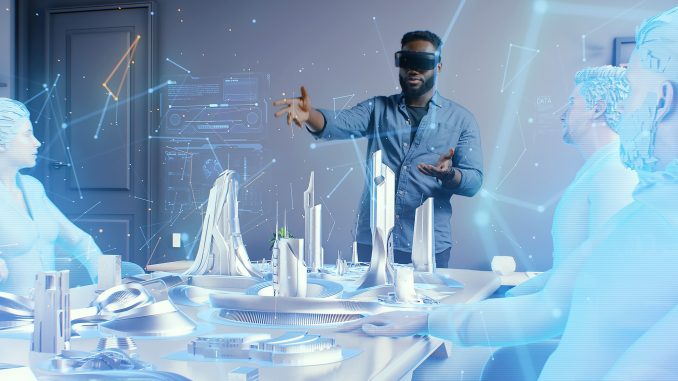
To appreciate how Mixed Reality stands apart, it helps to think of it as the bridge between AR and VR. Augmented Reality enhances the real world with digital elements—think of apps that display directions on your smartphone screen or filters that add playful effects to your face during a video call. The user still perceives the physical environment but with additional digital layers. Mixed Reality, on the other hand, deepens this integration by enabling digital content to be aware of and respond to the physical environment. For example, a holographic model projected onto a real table could be manipulated as if it were a tangible object, interacting with the space around it and adapting to changes in lighting or movement.
Extended Reality’s broader scope means it serves as the overarching category under which both AR and MR fall. It represents the continuum of technologies that blur the line between reality and the virtual, ranging from the fully immersive VR experiences that shut out the physical world to the subtle enhancements of AR and the interactive depth of MR. This all-encompassing definition helps companies think about immersive tech strategically—selecting the right tools depending on their goals, audience, and the level of immersion needed.
Consider a practical business example. A retail company aiming to create a virtual showroom might initially explore VR to offer customers a fully immersive experience where they can “walk” through a digitally created store. However, if the goal is to let shoppers see how furniture would look and fit in their actual living rooms, MR technologies provide a more natural solution. By projecting and anchoring digital objects in the physical space, customers can interact with virtual products as if they were physically present, making the decision-making process more intuitive. Both approaches fall under the XR umbrella but deliver vastly different user experiences.
Moreover, the hardware that powers MR and XR experiences highlights their differences. XR can be accessed through a variety of devices, including VR headsets, AR-enabled smartphones, and specialized smart glasses. Mixed Reality often requires more advanced headsets equipped with sensors, cameras, and processors capable of mapping the physical environment and tracking user gestures in real time. Devices like Microsoft’s HoloLens or Magic Leap exemplify this capability, offering users an experience where digital and physical elements coexist seamlessly and respond dynamically.
The distinction also influences software development and content creation. XR applications vary widely in complexity, from simple AR overlays like Snapchat filters to fully immersive VR games. MR content demands more intricate programming to enable spatial awareness and realistic interactions between virtual and real-world objects. This complexity often translates into higher development costs and longer timelines but can deliver richer, more engaging user experiences that hold particular value in sectors such as healthcare, manufacturing, and education.
Healthcare, for example, has embraced Mixed Reality to improve surgical planning and training. Surgeons can visualize 3D holograms of patient anatomy layered directly over the body during operations, allowing for precise navigation and real-time decision-making. While VR can simulate surgical environments for training purposes, MR’s ability to merge digital data with the actual patient elevates the precision and utility of these technologies. This kind of innovation underscores how understanding the difference between MR and XR is crucial when evaluating investment in immersive solutions.
In education, too, XR and MR open new possibilities but serve different functions. XR can transport students to virtual historical sites or distant planets, creating immersive learning environments. Mixed Reality adds a layer of interactivity where students might manipulate virtual chemical models on their desks or collaborate on digital whiteboards that respond to physical gestures. The hands-on nature of MR fosters active learning and collaboration, illustrating how the depth of immersion impacts educational outcomes.
For businesses considering immersive technologies, the key takeaway is that Extended Reality provides the broad framework, encompassing a spectrum of experiences with varying levels of immersion and interaction. Mixed Reality represents a distinct, more interactive subset within this spectrum, distinguished by its real-time integration of digital and physical elements. This distinction matters not only for marketing clarity but also for aligning technology choices with business objectives.
As the technology continues to evolve, the lines between these categories may blur further, but clarity in terminology helps stakeholders communicate expectations, plan effectively, and innovate strategically. For business leaders, developers, and users alike, appreciating the difference between Mixed Reality and Extended Reality is an essential step toward harnessing the transformative power of immersive technology in meaningful and practical ways. Whether creating next-generation customer experiences, enhancing workforce training, or pioneering medical breakthroughs, understanding these concepts will shape how we engage with the digital future.