The COVID-19 pandemic was a seismic event for education systems around the world, forcing institutions that had operated for centuries in one way to pivot almost overnight. Classrooms emptied, whiteboards went dark, and students were sent home with little more than a laptop and a hastily arranged lesson plan. What began as a temporary stopgap quickly revealed deep structural shortcomings, and it set in motion changes that are unlikely to be fully reversed. In many ways, the disruptions brought on by the pandemic have reshaped how we think about teaching, learning, and the very purpose of education.
When schools first closed their doors in early 2020, educators scrambled to replicate the in-person experience through video conferencing and digital platforms. For some, this transition was relatively smooth, especially in high-income countries where reliable internet access and personal devices were commonplace. For others—particularly in rural areas or among economically disadvantaged communities—the shift laid bare the digital divide. Students without access to broadband connections or suitable devices found themselves at a stark disadvantage, unable to participate in real-time lessons or turn in assignments. This disparity highlighted that technology, while a powerful enabler, is not a universal remedy. Ensuring equitable access to digital tools has since become a central policy concern, with governments and private organizations investing heavily in infrastructure, device distribution, and digital literacy programs.
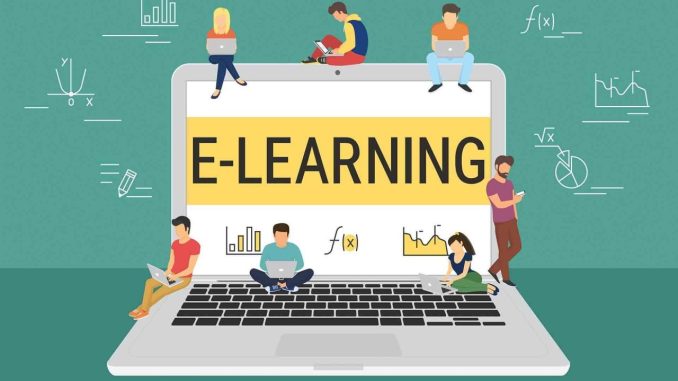
Beyond access, the pandemic accelerated the adoption of hybrid and fully online learning models. Many universities, unable to reopen their campuses safely, offered virtual semesters, complete with live lectures, digital discussion forums, and remote proctoring for exams. The result was a rapid accumulation of data on student engagement and performance in these environments. Educators began to refine their online pedagogy—experimenting with shorter, more focused video segments, interactive simulations, and peer-to-peer collaboration through digital breakout rooms. As a result, the stigma that once surrounded online learning began to dissipate. Institutions that had resisted the idea of remote education now see it as an essential component of a modern, flexible learning portfolio.
Perhaps the most profound change has been the shift toward learner-centered approaches. Under lockdown, the traditional model of a teacher at the front of a classroom lecturing to a passive audience felt increasingly obsolete. In response, many educators embraced techniques like flipped classrooms, where students review lecture material on their own time and use synchronous sessions for discussion, problem-solving, and personalized feedback. This inversion of roles puts the student at the center of the learning process and leverages the unique strengths of both asynchronous and live interaction. It also cultivates skills—self-direction, critical thinking, and digital collaboration—that are critical in today’s knowledge economy.
The pandemic also forced a rethinking of assessment. High-stakes, in-person exams became impractical, prompting schools to explore alternatives such as open-book assessments, project-based assignments, and competency-based evaluations. These methods, which emphasize application and synthesis over rote memorization, align more closely with real-world demands. A pharmaceutical student might design and present a mock clinical trial rather than sit for a closed-book chemistry test, while a literature student could analyze themes across contemporary media rather than recall plot details. Such assessments not only reduce the pressure of exam season but also provide richer insights into a student’s ability to deploy knowledge in practical contexts.
Social and emotional learning (SEL) gained newfound prominence in the pandemic era. Isolation, anxiety, and the blurring of home and school environments took a toll on students’ mental health, underscoring that education is as much about human connection as it is about intellectual development. Schools have since expanded counseling services, incorporated mindfulness practices into daily routines, and fostered peer-support networks. Virtual homerooms, where students check in on one another at the beginning of each day, exemplify how digital tools can be repurposed to maintain community and belonging even when physical proximity is impossible.
The role of parents in education also evolved. With children learning from home, many parents became de facto co-teachers, facilitating schedules, guiding assignments, and troubleshooting technical issues. This involvement has led to stronger partnerships between families and schools, as educators recognize the value of parental insights into each child’s learning style and personal circumstances. Going forward, schools are more likely to involve parents in decision-making processes, invite them to virtual open houses, and share real-time progress updates through digital platforms.
Even as the acute phase of the pandemic recedes, its impacts continue to reverberate. Many schools have adopted “blended learning” as a permanent feature rather than an emergency fix. Classrooms are equipped with cameras and microphones so that remote learners can join hybrid sessions seamlessly. Curricula now factor in contingencies for sudden closures, with lesson plans designed to transition smoothly between in-person and online formats. Educators have also developed digital repositories of resources—recorded lectures, interactive modules, and formative assessments—that can be reused, remixed, and personalized for different cohorts.
Businesses and employers, too, have taken note of these shifts. As graduates enter the workforce, they bring with them heightened comfort with remote collaboration tools, greater self-management skills, and an expectation that learning is ongoing and non-linear. Companies are responding by integrating microlearning modules, virtual mentorship programs, and digital upskilling initiatives into their training portfolios. The boundaries between formal education and professional development are blurring, creating lifelong learning ecosystems that span schools, universities, and workplaces.
In the end, the pandemic did more than disrupt education; it catalyzed a reimagining of how, when, and where learning happens. By exposing weaknesses in traditional models and accelerating the adoption of innovative practices, it has laid the groundwork for a more adaptable, inclusive, and learner-centric future. The challenge now is to build on these lessons, ensuring that the changes born in crisis lead to enduring improvements rather than temporary detours. If education systems can harness the agility, compassion, and technological savvy they developed during the pandemic, they will be better equipped to meet the ever-evolving demands of the 21st century.