Traveling abroad opens doors to exciting experiences, new cultures, and personal growth. However, alongside the adventure comes the inherent risk of health emergencies, which can quickly turn a dream trip into a stressful ordeal. For business travelers, expatriates, and leisure tourists alike, the possibility of falling ill or getting injured in a foreign country presents unique challenges. This is where travel insurance plays a pivotal role, offering critical support and financial protection when health emergencies arise far from home.
One of the core reasons travel insurance is indispensable in international travel is the stark difference in healthcare systems and costs across countries. While some destinations offer world-class medical facilities comparable to those at home, others may have limited resources or require upfront payment. Unlike domestic health coverage, which often restricts or excludes treatment abroad, travel insurance bridges this gap by providing access to medical care without prohibitive out-of-pocket expenses. Imagine a scenario where a traveler develops appendicitis while on a business trip to a country where emergency surgery costs tens of thousands of dollars. Without proper insurance, this situation could lead to severe financial hardship in addition to the health scare.
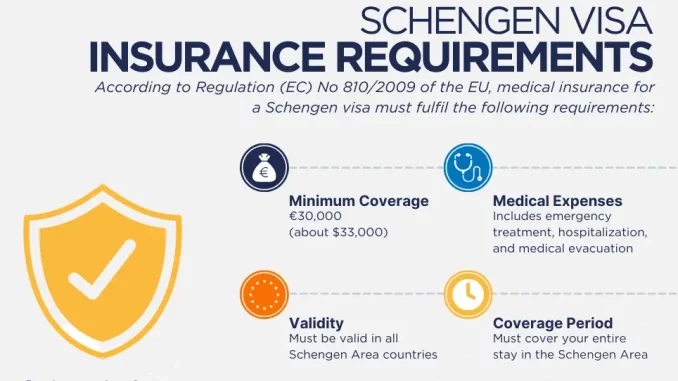
Beyond covering the cost of treatment, travel insurance typically includes vital services like emergency medical evacuation. This aspect is often overlooked but can be a lifesaver when local facilities are inadequate. For instance, if a traveler suffers a serious injury in a remote area with no specialized care, evacuation to a better-equipped hospital becomes necessary. Such medical transport can involve air ambulances or commercial flights accompanied by medical personnel, expenses that can easily soar into six figures. Travel insurance policies that encompass evacuation coverage ensure these critical services are accessible without the traveler or their family facing unbearable financial burdens.
The benefits of travel insurance also extend to continuity of care. Many policies assist with coordinating follow-up treatment after an emergency, whether in the destination country or back home. This is crucial because medical emergencies abroad don’t always conclude neatly once initial treatment is administered. Complications, rehabilitation, or further diagnostics might be required, and insurance providers often have global networks that facilitate these needs. Having a dedicated assistance team on call 24/7 means travelers can navigate healthcare systems that may be unfamiliar, language barriers, or logistical hurdles with expert support.
It is also important to recognize how travel insurance helps mitigate the emotional toll of health emergencies abroad. Being sick or injured far from home is inherently isolating, compounded by the stress of dealing with unfamiliar medical protocols, cultural differences, and potential language difficulties. Knowing that a professional service is available to assist with finding quality care, arranging payments, and communicating with healthcare providers can provide tremendous peace of mind. This emotional support is a less tangible but equally critical component of travel insurance’s value, enabling travelers to focus on recovery rather than bureaucracy.
Consider the example of a corporate executive traveling to Southeast Asia who contracted dengue fever—a mosquito-borne illness prevalent in tropical climates. The symptoms were severe, requiring hospitalization. Thanks to comprehensive travel insurance, the executive was admitted to a private hospital known for treating foreign patients, avoiding the overcrowded public system. The insurer coordinated the admission process and covered the medical bills, relieving the traveler of financial stress. Moreover, when the executive needed to be repatriated home for further treatment, the insurance arranged and financed a medical flight, ensuring continuity of care. This example highlights how travel insurance can transform a potentially catastrophic health event into a manageable situation.
Travel insurance also plays a critical role in covering expenses beyond direct medical costs, which can escalate unexpectedly. These include costs for prescription medications, emergency dental care, or even accommodations if a traveler must extend their stay due to illness. For example, a tourist who fractures a leg while hiking might find themselves grounded for weeks in a foreign city, incurring lodging and meal expenses far beyond the planned itinerary. A well-designed policy anticipates such scenarios, offering reimbursement or assistance that prevents financial strain from compounding health-related troubles.
When choosing travel insurance, it is essential for travelers to carefully evaluate their policy’s medical coverage limits and exclusions. Not all policies provide the same level of protection, and some might exclude pre-existing conditions or certain high-risk activities. Business travelers attending conferences or engaging in physical activities should ensure their coverage aligns with their planned itinerary and risk profile. Moreover, understanding the claims process and having clear instructions on how to access emergency assistance are crucial. Timely communication with insurers during a health emergency can expedite approvals and service delivery, which may directly impact outcomes.
Furthermore, health emergencies abroad often intersect with legal and logistical complexities that travel insurance companies are equipped to handle. Whether it involves arranging for medical records to be transferred, communicating with embassies, or assisting families with travel arrangements, insurers act as an invaluable intermediary. Their expertise in managing cross-border healthcare situations reduces the administrative burden on the traveler and ensures compliance with local regulations.
In a world where global mobility is the norm and international trips are frequent, the importance of travel insurance for health emergencies cannot be overstated. It protects against the unpredictable nature of illness and injury far from home, turning daunting situations into manageable ones through financial coverage, logistical support, and emotional reassurance. For anyone planning to cross borders—whether for business or leisure—investing in comprehensive travel insurance is not just prudent but essential, ensuring that health emergencies abroad don’t derail plans or lead to catastrophic consequences. Ultimately, it provides a safety net that allows travelers to explore the world with confidence, knowing they are protected should the unexpected arise.