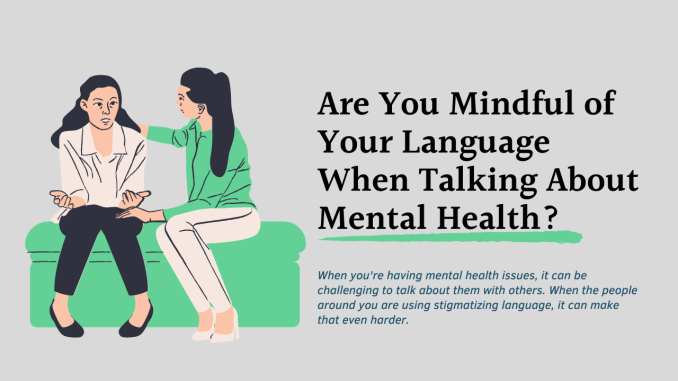
In recent years, conversations about mental health have gained significant momentum. Despite this progress, stigma and misunderstanding still surround mental health issues, causing many individuals to suffer in silence. Talking about mental health is crucial—not only for those experiencing challenges but for society as a whole. Open dialogue can foster understanding, reduce stigma, and encourage people to seek the help they need.
This article explores why talking about mental health matters, the benefits it brings, and practical ways to promote more open conversations.
Why Talking About Mental Health Matters
Mental health affects every aspect of our lives—our thoughts, feelings, behaviors, and relationships. According to the World Health Organization, one in four people will experience a mental health condition at some point in their lives. Despite its prevalence, mental health often remains a taboo subject.
There are several key reasons why talking about mental health is so important:
1. Breaking Down Stigma
One of the greatest barriers to mental wellness is stigma. When people view mental health conditions as a sign of weakness or something to be ashamed of, they are less likely to seek support. Open conversations help normalize mental health struggles and dismantle harmful stereotypes. The more we talk about mental health, the more society will recognize it as a legitimate and common aspect of human experience.
2. Encouraging Early Intervention
Talking openly about mental health promotes awareness and understanding. When individuals feel safe discussing their feelings and challenges, they are more likely to seek help early on. Early intervention can prevent symptoms from worsening and improve long-term outcomes.
3. Building Supportive Communities
Sharing experiences with mental health can foster empathy and connection. When people realize they are not alone in their struggles, it reduces feelings of isolation and loneliness. Supportive communities encourage resilience and recovery by offering understanding, encouragement, and practical help.
4. Educating and Empowering
Discussing mental health increases knowledge about symptoms, treatment options, and coping strategies. This education empowers individuals to recognize signs in themselves and others and to respond with compassion and informed support.
The Benefits of Open Mental Health Conversations
Talking about mental health benefits individuals, families, workplaces, and society:
-
For Individuals: Expressing feelings and experiences can be therapeutic. It reduces emotional burden, builds self-awareness, and promotes healing.
-
For Families: Open dialogue improves communication, strengthens relationships, and creates a supportive environment for loved ones facing mental health issues.
-
For Workplaces: Encouraging mental health conversations reduces stigma at work, improves employee well-being, and boosts productivity and retention.
-
For Society: Collective awareness fosters policies, resources, and cultural shifts that prioritize mental wellness.
How to Start Talking About Mental Health
While the importance of talking about mental health is clear, initiating these conversations can feel daunting. Here are practical tips for starting and sustaining open, respectful dialogues:
1. Create a Safe Space
Whether at home, work, or among friends, foster an environment where people feel heard and accepted. Listen without judgment and respect confidentiality. Avoid interrupting or offering unsolicited advice. Sometimes, just being present is enough.
2. Use Simple, Compassionate Language
Use clear, non-clinical language that avoids labels or stereotypes. Phrases like “I’m here for you” or “It’s okay to not be okay” can offer comfort. Focus on feelings and experiences rather than diagnoses or assumptions.
3. Share Your Own Experiences
If you feel comfortable, sharing your mental health journey can encourage others to open up. Personal stories humanize mental health struggles and demonstrate that seeking help is a sign of strength.
4. Ask Open-Ended Questions
Instead of yes/no questions, ask things like, “How have you been feeling lately?” or “What’s been on your mind?” This invites deeper conversation and shows genuine interest.
5. Encourage Professional Help When Needed
Recognize that while support from friends and family is invaluable, professional help is often necessary. Encourage counseling, therapy, or medical care when appropriate, and help remove barriers to access.
Overcoming Common Barriers to Mental Health Conversations
Despite good intentions, many people hesitate to talk about mental health due to fear, cultural norms, or lack of knowledge. Here are ways to overcome these obstacles:
-
Fear of Judgment: Normalize mental health by making it part of everyday conversations, such as discussing stress or self-care habits.
-
Cultural Stigma: Respect cultural differences but gently challenge harmful beliefs by sharing facts and positive stories.
-
Lack of Knowledge: Educate yourself and others using reputable resources from mental health organizations.
-
Feeling Unprepared: Practice active listening and empathy. Remember, you don’t need to be an expert to offer support.
The Role of Media and Education
Media and education systems play a vital role in shaping how mental health is perceived. Accurate, compassionate portrayals in movies, TV, and news can shift public opinion positively. Schools and workplaces that include mental health literacy in their programs equip individuals with the tools to recognize and address mental health concerns early.
Conclusion
Talking about mental health is not just beneficial—it’s essential. By breaking down stigma, encouraging early intervention, building supportive networks, and fostering education, open conversations create a foundation for healthier individuals and communities.
Each conversation has the power to change perceptions, save lives, and promote a culture where mental health is treated with the same care and respect as physical health. Whether it’s with a close friend, family member, colleague, or even yourself, making mental health a topic of open dialogue is a courageous and impactful step toward wellness.
Let’s continue to speak up, listen deeply, and support one another on this vital journey.