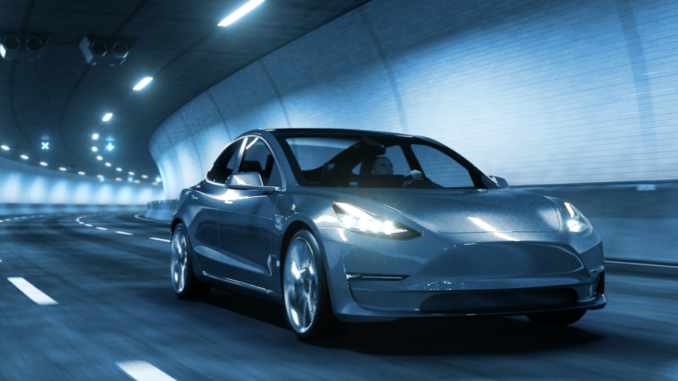
The electric vehicle (EV) industry is undergoing a rapid transformation, and 2025 is poised to be a pivotal year for this sector. With advancements in battery technology, charging infrastructure, and government policies, EVs are set to become more accessible and efficient than ever before.
1. Breakthroughs in Battery Technology
One of the most significant challenges facing the EV industry has been battery life and charging times. However, 2025 is expected to bring groundbreaking innovations in solid-state batteries. These batteries promise higher energy density, faster charging times, and improved safety compared to traditional lithium-ion batteries. Companies like Toyota and QuantumScape are at the forefront of this technology, with plans to commercialize solid-state batteries by 2025.
Another exciting development is the use of sodium-ion batteries. These batteries are cheaper to produce and rely on abundant materials, making them a sustainable alternative to lithium-ion batteries. As research progresses, sodium-ion batteries could play a crucial role in reducing the cost of EVs and making them more accessible to a broader audience.
2. Expansion of Charging Infrastructure
The availability of charging stations is a critical factor in the widespread adoption of EVs. In 2025, we can expect a significant expansion of fast-charging networks across the globe. Companies like Tesla, Electrify America, and ChargePoint are investing heavily in building ultra-fast charging stations that can charge an EV in under 15 minutes.
Moreover, wireless charging technology is gaining traction. Inductive charging pads embedded in roads and parking spaces allow EVs to charge without the need for physical cables. This innovation is particularly promising for urban areas, where space is limited, and convenience is paramount.
3. Government Policies and IncentivesGovernments worldwide are implementing policies to accelerate the transition to electric vehicles. In 2025, we can expect stricter emissions regulations and increased incentives for EV buyers. For instance, the European Union has set ambitious targets to reduce carbon emissions, with a ban on the sale of new petrol and diesel cars by 2035.
In the United States, the federal government is offering tax credits and rebates for EV purchases, while also investing in the development of charging infrastructure. These policies are expected to drive consumer demand and encourage automakers to prioritize EV production.
4. Autonomous Electric Vehicles
The convergence of electric and autonomous vehicle technologies is another trend to watch in 2025. Companies like Waymo, Cruise, and Tesla are developing self-driving EVs that promise to revolutionize transportation. These vehicles offer numerous benefits, including reduced traffic congestion, lower emissions, and improved safety.
Autonomous EVs are particularly well-suited for ride-sharing services. By eliminating the need for a human driver, these vehicles can operate 24/7, providing affordable and convenient transportation options for urban dwellers.
5. Sustainability and Circular Economy
As the EV industry grows, sustainability is becoming a top priority. Automakers are exploring ways to reduce the environmental impact of EV production, including the use of recycled materials and renewable energy in manufacturing processes.
Additionally, the concept of a circular economy is gaining traction. This involves designing EVs with end-of-life recycling in mind, ensuring that components like batteries can be reused or repurposed. Companies like Renault and Nissan are leading the way in this area, with initiatives to recycle old EV batteries into energy storage systems.
Conclusion
The future of electric vehicles is bright, with innovations that promise to make them more efficient, affordable, and sustainable. As we move closer to 2025, the EV industry will continue to evolve, driven by advancements in technology, infrastructure, and policy. For consumers, this means greater access to clean and convenient transportation options, paving the way for a greener future.