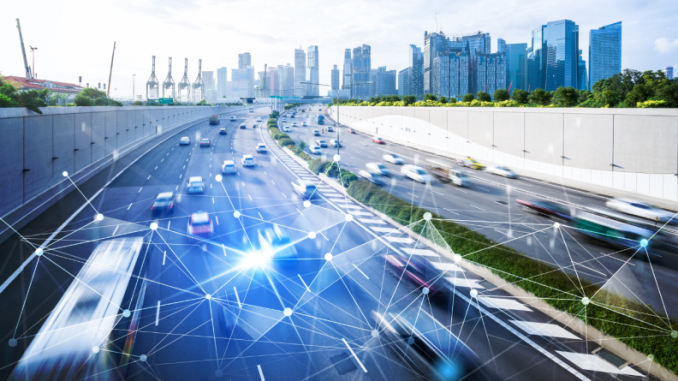
Artificial intelligence (AI) is revolutionizing the transportation industry by improving efficiency, safety, and decision-making. From autonomous vehicles to traffic management systems, AI is transforming how we move people and goods. As urbanization increases and the demand for smarter transportation grows, AI is playing a critical role in addressing challenges such as congestion, accidents, and environmental impact.
1. Autonomous Vehicles: The Future of Mobility
Autonomous vehicles (AVs) are one of the most prominent applications of AI in transportation. These self-driving cars use AI algorithms, sensors, and machine learning to navigate roads, avoid obstacles, and make real-time decisions. Companies like Tesla, Waymo, and Uber are leading the charge in developing AV technology.
- How AI Powers Autonomous Vehicles:
AI systems in AVs rely on data from cameras, LiDAR, radar, and GPS to create a 360-degree view of the vehicle’s surroundings. Machine learning algorithms process this data to detect objects, predict their movements, and plan safe routes. - Benefits of Autonomous Vehicles:
- Reduced Accidents: Human error is responsible for over 90% of road accidents. AVs can eliminate this risk by making precise, data-driven decisions.
- Improved Traffic Flow: AVs can communicate with each other and traffic systems to optimize routes and reduce congestion.
- Accessibility: AVs can provide mobility solutions for the elderly, disabled, and those who cannot drive.
- Challenges:
- Regulatory Hurdles: Governments are still developing frameworks to ensure the safety and legality of AVs.
- Ethical Concerns: Decisions in critical situations, such as accident avoidance, raise ethical questions.
- High Costs: Developing and deploying AV technology is expensive.
2. AI in Traffic Management
Traffic congestion is a major issue in urban areas, leading to wasted time, increased fuel consumption, and higher emissions. AI-powered traffic management systems are helping cities tackle this problem.
- Smart Traffic Lights:
AI algorithms analyze real-time traffic data to optimize traffic light timings. For example, systems like Siemens’ Sitraffic can reduce waiting times by up to 30%. - Predictive Analytics:
AI can predict traffic patterns based on historical data, weather conditions, and events. This helps cities plan better and reduce bottlenecks. - Dynamic Routing:
Navigation apps like Google Maps and Waze use AI to provide real-time route suggestions, helping drivers avoid congested areas.
3. AI in Public Transportation
Public transportation systems are also benefiting from AI. From optimizing schedules to enhancing passenger safety, AI is making public transit more efficient and reliable.
- Predictive Maintenance:
AI can analyze data from sensors on buses, trains, and subways to predict when maintenance is needed. This reduces downtime and prevents accidents. - Demand Forecasting:
AI algorithms analyze passenger data to optimize routes and schedules, ensuring that services meet demand. - Safety Enhancements:
AI-powered surveillance systems can detect suspicious behavior or unattended items, improving security in public transit systems.
4. AI in Logistics and Supply Chain
The logistics industry is leveraging AI to streamline operations, reduce costs, and improve delivery times.
- Route Optimization:
AI algorithms analyze factors like traffic, weather, and delivery windows to determine the most efficient routes for trucks and delivery vehicles. - Autonomous Delivery:
Companies like Amazon and FedEx are testing drones and autonomous robots for last-mile delivery. These systems use AI to navigate and avoid obstacles. - Warehouse Automation:
AI-powered robots are being used in warehouses to sort, pack, and transport goods. This increases efficiency and reduces human error.
5. AI for Environmental Sustainability
Transportation is a major contributor to greenhouse gas emissions. AI is helping reduce the environmental impact of transportation through:
- Efficient Routing:
By optimizing routes, AI reduces fuel consumption and emissions. - Electric Vehicle (EV) Integration:
AI is used to manage EV charging networks, ensuring that vehicles are charged efficiently and grid demand is balanced. - Emission Monitoring:
AI systems can monitor vehicle emissions in real-time, helping cities enforce environmental regulations.
6. Challenges and Ethical Considerations
While AI offers numerous benefits, it also presents challenges:
- Data Privacy:
AI systems rely on vast amounts of data, raising concerns about how this data is collected and used. - Job Displacement:
The automation of tasks like driving and delivery could lead to job losses in certain sectors. - Security Risks:
AI systems are vulnerable to hacking and cyberattacks, which could compromise safety. - Regulatory Gaps:
Governments need to establish clear regulations to ensure the safe and ethical use of AI in transportation.
7. The Future of AI in Transportation
The future of AI in transportation is bright, with several exciting trends on the horizon:
- Hyperloop and High-Speed Rail:
AI will play a key role in managing and optimizing next-generation transportation systems like hyperloops and high-speed trains. - Smart Cities:
AI will integrate transportation systems with other urban infrastructure, creating seamless and efficient smart cities. - AI-Powered Air Travel:
AI is being used to optimize flight paths, reduce fuel consumption, and enhance air traffic control. - Collaborative Mobility:
AI will enable shared mobility solutions, such as ride-sharing and bike-sharing, to become more efficient and accessible.
Conclusion
AI is transforming the transportation industry by enhancing efficiency, safety, and sustainability. From autonomous vehicles to smart traffic systems, AI is addressing some of the biggest challenges in transportation. However, realizing the full potential of AI will require addressing ethical, regulatory, and technical challenges. As AI continues to evolve, it will play a central role in shaping the future of mobility, making transportation smarter, safer, and more sustainable for everyone.